
- 1 Giri Meaning in Japanese: Obligation, Duty, and Giri Choco Explained
- 1.1 What does giri mean in Japanese?
- 1.2 The kanji in giri: 義 and 理
- 1.3 Giri vs. on: obligation and a received favor
- 1.4 Giri vs. ninjo: duty versus human feeling
- 1.5 What does giri choco mean?
- 1.6 Giri in everyday Japanese culture
- 1.7 Common expressions with giri
- 1.8 A different meaning: giri family relationships
- 1.9 Giri and honne/tatemae
- 1.10 Giri in anime, manga, and drama
- 1.11 Is giri good or bad?
- 1.12 Frequently asked questions
- 1.12.1 What is the best English translation of giri?
- 1.12.2 How do you pronounce giri?
- 1.12.3 What does giri choco literally mean?
- 1.12.4 Is giri choco romantic?
- 1.12.5 Do all Japanese women give giri choco?
- 1.12.6 What is the difference between giri and on?
- 1.12.7 What is the difference between giri and ninjo?
- 1.12.8 Does giri mean in-law?
- 1.13 Summary: giri is the duty carried by a relationship
- 1.14 A closer look at giri as reciprocity
- 1.15 When giri becomes “only for appearances”
- 1.16 Giri and gift giving: what learners should actually do
- 1.17 Giri choco: a complete beginner’s guide
- 1.18 Twenty natural giri-related mini examples
- 1.19 How to translate giri without making Japan sound exotic
- 1.20 Can you reject giri?
- 1.21 Giri does not cancel personal choice
- 1.22 Giri and consent: a useful modern test
- 1.23 One scenario with four possible translations
- 1.24 Giri in contemporary everyday speech
- 1.25 Can a favor be given without creating giri?
Giri Meaning in Japanese: Obligation, Duty, and Giri Choco Explained
Giri is usually not a legal duty written in a contract. It is the feeling that a relationship, favor, role, or social connection calls for an appropriate response. You do something because it is the proper way to maintain that relationship—even when it is not exactly what you feel like doing.
- 義理(ぎり / giri) can mean moral duty, social obligation, reciprocity, or something done for the sake of proper relations.
- It can also mark a non-blood family relationship, as in giri no haha (“mother-in-law” or “stepmother,” depending on context).
- Giri choco is courtesy or obligation chocolate given without romantic meaning.
- Giri often contrasts with 人情(にんじょう / ninjō), personal feeling or human emotion.
- It overlaps with 恩(おん / on), a favor or debt of gratitude, but the two are not identical.
What does giri mean in Japanese?
Giri is written 義理 and pronounced ぎり. Dictionaries give several meanings:
- the proper moral path or correct principle;
- a duty one feels toward another person because of position, ethics, or relationship;
- something done out of social necessity rather than personal desire;
- a relationship equivalent to family without a blood connection;
- in older usage, reason or meaning.
For Japanese learners searching “giri meaning,” the second and third meanings are usually the most important. Depending on context, possible English translations include:
- social obligation;
- moral duty;
- a sense of indebtedness;
- courtesy required by the relationship;
- doing one’s part;
- keeping up social ties;
- something done “because one ought to.”
No one translation works everywhere because giri may feel noble in one sentence and burdensome in another.
Example 1
彼には昔から義理がある。
Kare ni wa mukashi kara giri ga aru.
“I have a longstanding obligation to him.” / “I owe him.”
Example 2
今回は義理で参加した。
Konkai wa giri de sanka shita.
“This time I attended out of obligation.”
Example 3
恩師に義理を立てた。
Onshi ni giri o tateta.
“I fulfilled my duty to my former teacher.”
The kanji in giri: 義 and 理
義 carries ideas such as righteousness, justice, duty, or what is morally proper. 理 can mean reason, principle, logic, or the underlying order of something.
Together, 義理 historically referred to a correct principle or proper path. Over time it became strongly associated with duties embedded in relationships—between family members, patrons and recipients, masters and retainers, neighbors, coworkers, customers, and friends.
The word has a long history. Japanese dictionary records include medieval examples meaning a proper way or principle, while early modern sources increasingly emphasize interpersonal duty. Literature from the Edo period famously dramatized conflicts between giri and ninjō: what society or a relationship demands versus what the heart desires.
Think of it as a social force. Whether it is generous or oppressive depends on the relationship and what is being demanded.
Giri vs. on: obligation and a received favor
恩(おん / on) is a benefit, kindness, or favor received from someone, often one that produces gratitude. Giri is the duty or appropriate response that may arise within the relationship.
- On: “This person helped me; I have received something meaningful from them.”
- Giri: “Because of that favor or relationship, I should respond appropriately.”
For example, a mentor recommends you for a job. You feel on—gratitude and indebtedness for what you received. Later, you support the mentor’s event or help one of their students. That action may be described through giri.
The common expression 恩返し(おんがえし / ongaeshi) means repaying a kindness. It is the return of on, while giri is the broader duty that keeps the reciprocal relationship morally balanced.
Giri vs. ninjo: duty versus human feeling
人情(にんじょう / ninjō) literally combines “person” and “feeling.” It refers to human emotion, sympathy, affection, and natural personal feeling.
The classic contrast 義理と人情 (giri to ninjō) describes a conflict between obligation and emotion:
友人との約束を守るべきだが、病気の家族のそばにもいたい。
“I should keep my promise to my friend, but I also want to stay beside my sick family member.”
One side may represent a commitment already made; the other represents compassion and attachment. Japanese theater and fiction often use this conflict because neither side is automatically wrong.
In ordinary modern conversation, someone may say:
義理と人情の板挟みだ。
Giri to ninjō no itabasami da.
“I’m caught between duty and personal feeling.”
What does giri choco mean?
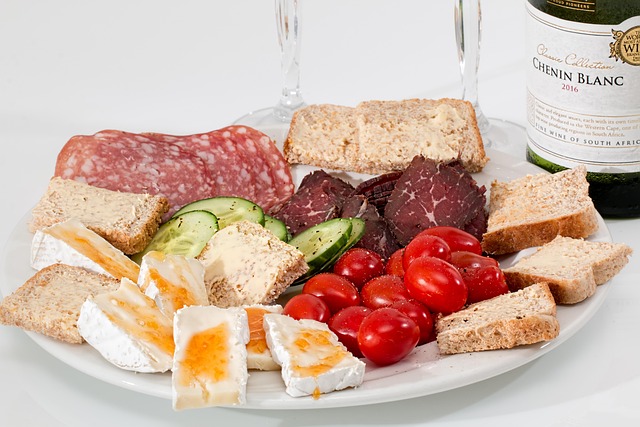
Giri choco is written 義理チョコ. It means chocolate given as a courtesy or social gesture rather than as a declaration of romantic love.
Traditionally, the term became associated with Valentine’s Day chocolate given by women to male coworkers, classmates, bosses, or acquaintances. The purpose could be gratitude, maintaining friendly workplace relations, participating in a group custom, or avoiding the awkwardness of giving chocolate to only one person.
The contrast is:
- 義理チョコ (giri choco) — courtesy/obligation chocolate; non-romantic.
- 本命チョコ (honmei choco) — chocolate for one’s romantic “main choice.”
- 友チョコ (tomo choco) — chocolate exchanged with friends.
- 自分チョコ (jibun choco) — chocolate bought for oneself.
- 推しチョコ (oshi choco) — chocolate connected with or dedicated to a favorite idol, character, or performer.
Is giri choco still common?
The term remains widely understood, but the workplace custom has been declining and changing. Surveys and reporting in the mid-2020s show fewer people planning to give Valentine’s gifts to coworkers, while self-purchases, gifts for partners and family, friend chocolate, and fan-related chocolate have become more visible.
Reasons include the cost and labor of buying many gifts, changing workplace norms, concern about gendered expectations, remote work, and the desire to make Valentine’s Day voluntary rather than compulsory. Some companies discourage organized giri-choco exchanges to prevent pressure.
This makes an important cultural point: a famous Japanese custom is not necessarily a timeless rule followed by everyone today. Learn the word, but do not assume your Japanese coworkers expect chocolate.
In a modern workplace, first check the office culture. A shared box for the whole team is often easier than individual gifts.
Giri in everyday Japanese culture
1. Weddings and funerals
Attendance, condolence money, wedding gifts, and later return gifts can involve both sincere emotion and giri. A person may attend because the relationship calls for it even if they are not personally close.
仕事上の義理で式に出席した。
Shigoto-jō no giri de shiki ni shusseki shita.
“I attended the ceremony because of a work-related obligation.”
2. Seasonal gifts
Ochūgen and oseibo are seasonal gift customs historically used to express gratitude and maintain relationships. Many people do not participate, and practices vary, but the logic of reciprocal social maintenance overlaps with giri.
3. Supporting a regular business
A customer may feel loyalty to a shop that has treated them well:
長年通っている店に義理がある。
Nagannen kayotte iru mise ni giri ga aru.
“I feel a sense of loyalty/obligation to the shop I’ve used for years.”
4. Attending social events
A person can go to a party giri de—not because they are excited, but because absence might damage a relationship. This usage often carries a mildly negative tone.
5. Standing by someone
Giri can sound admirable when it means keeping faith with someone despite personal cost.
世話になった先輩への義理は忘れない。
Sewa ni natta senpai e no giri wa wasurenai.
“I won’t forget what I owe the senior who looked after me.”
Common expressions with giri
義理がある (giri ga aru)
To owe someone a social or moral duty.
彼には断れない義理がある。
Kare ni wa kotowarenai giri ga aru.
“I owe him too much to refuse.”
義理を果たす (giri o hatasu)
To fulfill one’s obligation.
挨拶に行って、最低限の義理は果たした。
“I went to offer my greetings and fulfilled the minimum obligation.”
義理を立てる (giri o tateru)
To honor a relationship or repay consideration with an appropriate act.
昔の仲間に義理を立てて、今回は協力した。
“I helped this time out of loyalty to my old companions.”
義理を欠く (giri o kaku)
To fail in one’s duty or neglect what the relationship requires.
連絡もしないのは義理を欠く。
“Not even contacting them would be a failure of courtesy.”
義理堅い (girigatai)
Faithful in repaying favors and maintaining obligations; loyal and dutiful.
彼女はとても義理堅い人だ。
“She is extremely loyal and conscientious about her obligations.”
義理で (giri de)
Out of obligation rather than enthusiasm.
義理で褒めているわけではない。
“I’m not praising you just out of politeness.”
お義理 (o-giri)
A formal or perfunctory gesture, often implying that the heart is not fully in it.
お義理の挨拶だけで帰った。
“They left after only a perfunctory greeting.”
A different meaning: giri family relationships
When 義理の comes before a family term, it means a legal, marital, adoptive, or step relationship rather than a blood relationship.
- 義理の父 — father-in-law or stepfather
- 義理の母 — mother-in-law or stepmother
- 義理の兄 — older brother-in-law or stepbrother
- 義理の姉 — older sister-in-law or stepsister
- 義理の息子 — son-in-law or stepson
Japanese terms can be ambiguous about the exact legal connection, so context matters. Do not translate this usage as “obligatory mother.” It is similar to the English use of “in-law,” although Japanese groups several non-blood relationships under the same modifier.
Giri and honne/tatemae
Giri often explains why public behavior differs from private desire.
- Honne: “I want to stay home.”
- Giri: “This person supported me before, so I should attend.”
- Tatemae: “I am happy to be here and represent our group.”
The situation may be emotionally mixed rather than hypocritical. A person can feel reluctant and grateful at the same time. Read the broader guide to honne and tatemae for that distinction.
Giri also operates inside the shifting social map of uchi and soto. Obligations are shaped by which group is relevant, while concern about meiwaku and the practice of enryo affect how those duties are performed.
Giri in anime, manga, and drama
Historical dramas, yakuza stories, samurai fiction, and family melodramas often intensify giri into a life-defining code. Characters repay a debt, remain loyal to a group, protect someone’s honor, or struggle between duty and love.
Common lines include:
- 義理がある。 — “I owe them.”
- 義理を通す。 — “I will see my duty through.”
- 義理人情に厚い。 — “He/she has a strong sense of duty and human feeling.”
- これで義理は果たした。 — “With this, I have fulfilled my obligation.”
Fiction often uses stronger and more dramatic giri than an office worker buying a courtesy gift. The core idea is related, but genre matters.
Is giri good or bad?
Giri can support trust. People remember help, show up during difficult moments, return favors, and maintain long-term relationships. A world with no giri at all could feel unreliable and ungrateful.
But giri can also become coercive. If a “voluntary” gift is expected, if gratitude can never be fully repaid, or if someone must sacrifice health to satisfy appearances, obligation becomes harmful. Modern criticism of giri choco reflects this problem: a gesture stops expressing gratitude when people feel unable to opt out.
A balanced interpretation asks two questions:
- What relationship or past action creates the sense of obligation?
- Can the people involved freely negotiate, limit, or refuse that obligation?
Frequently asked questions
What is the best English translation of giri?
Usually “social obligation,” “moral duty,” or “a sense of indebtedness.” Translate according to context rather than using one fixed word.
How do you pronounce giri?
Approximately gee-ree, but with two short, even Japanese syllables. The Japanese r is a light tap, not a strong English r.
What does giri choco literally mean?
It literally combines giri (“obligation/courtesy”) and choko (“chocolate”). It is non-romantic chocolate given because of social connection or courtesy.
Is giri choco romantic?
No. It is specifically contrasted with honmei choco, which signals romantic interest. Individual situations can still be ambiguous, but the term itself says “not the main romantic gift.”
Do all Japanese women give giri choco?
No. The practice has declined, many workplaces do not encourage it, and Valentine’s customs are increasingly diverse.
What is the difference between giri and on?
On focuses on a favor or benefit received and the gratitude/debt it creates. Giri focuses on the duty to behave appropriately within the relationship, which may include responding to on.
What is the difference between giri and ninjo?
Giri is duty or obligation; ninjō is human feeling, sympathy, or personal emotion. The two can support each other or conflict.
Does giri mean in-law?
When used as giri no + family term, it marks a non-blood relationship such as an in-law or step-relative. That is a separate but related dictionary sense.
🏁 Giri, On, or Ninjo?
These three words describe different pieces of the same social picture. Match your situation.
The favor received—the seed that giri later repays.
Human feeling in tension with social duty.
Duty carried by the relationship itself.
No need to match it formally—a simple return gesture is enough.
Under-responding here can read as declining the relationship itself.
Omiyage giri covers the whole team, not just close friends.
Silent resentment causes more friction than a polite, direct no.
※ As the article notes, giri does not cancel personal choice—these are social defaults, not fixed rules.
Summary: giri is the duty carried by a relationship
- 義理 (giri) means proper principle, social or moral obligation, and duty created by relationships.
- It can sound positive—loyal, grateful, dependable—or negative—perfunctory, pressured, unwilling.
- On is a received kindness or debt of gratitude; giri is the appropriate response or wider relational duty.
- Ninjō is human feeling, often contrasted with giri in literature and drama.
- Giri choco is non-romantic courtesy chocolate, but compulsory workplace gifting is declining.
- Giri no before a family term means a non-blood relative, such as an in-law or step-relative.
- Giri is most useful when studied with honne and tatemae, uchi and soto, meiwaku, and enryo.
A closer look at giri as reciprocity
Giri often appears where relationships are maintained through repeated exchange. One person gives help, information, access, labor, hospitality, or a gift. The other person recognizes that the relationship now calls for a response. The response does not need to be identical in price or form, but it should acknowledge the connection.
This is why giri is not best understood as a simple debt ledger. In a close and healthy relationship, people may not calculate every favor. Still, they notice a long-term pattern: does one person always receive and never respond? Does someone disappear when help is needed? Does a guest acknowledge the host’s effort? Giri gives moral language to that balance.
いつも助けてもらっているから、今度は私が力になりたい。
Itsumo tasukete moratte iru kara, kondo wa watashi ga chikara ni naritai.
“They always help me, so this time I want to support them.”
A speaker may not use the word giri in this sentence, but the reciprocal logic is close. The action can contain both affection and duty. Japanese concepts are not exclusive boxes: giri, gratitude, friendship, and kindness can operate together.
When giri becomes “only for appearances”
The phrase 義理で often highlights a weak emotional commitment:
彼は義理で一度だけ顔を出した。
Kare wa giri de ichido dake kao o dashita.
“He showed up once, purely out of obligation.”
In this use, the action is not false—the person really did attend—but it satisfies only the minimum relationship requirement. Related expressions include:
- 義理一遍(ぎりいっぺん) — purely formal or perfunctory, done for appearances;
- お義理の挨拶 — a courtesy greeting with little personal warmth;
- 最低限の義理 — the minimum obligation;
- 付き合いで — for social/company reasons; to keep someone company.
These expressions show the double character of giri. Fulfilling minimum duties can prevent a relationship from collapsing, but everyone may recognize that genuine warmth is missing.
Giri and gift giving: what learners should actually do
Visitors to Japan sometimes become anxious and imagine that every gift creates an endless chain of repayment. Everyday practice is more flexible.
When you receive a small casual gift
Thank the giver warmly. You do not need to calculate an immediate equal return. If a natural opportunity appears later—bringing a snack, sharing something from a trip, helping with a task—you can reciprocate.
When you receive a formal or valuable gift
The relationship and occasion matter. Weddings, funerals, childbirth, and formal seasonal gifts have more established return practices. Ask a trusted Japanese person when the stakes are high.
When giving omiyage
Omiyage from a trip may express gratitude to coworkers who covered your work or simply share the experience. It can overlap with giri, but it is also ordinary generosity and group participation.
When you do not want to participate
Modern groups often set explicit rules such as “no individual gifts,” “voluntary contribution only,” or a low price limit. These rules reduce the hidden burden of giri. Respecting the group’s stated practice is better than reenacting a cultural stereotype.
Giri choco: a complete beginner’s guide
Who traditionally received it?
Male coworkers, supervisors, classmates, club members, clients, or acquaintances could receive inexpensive chocolate from women on February 14. The gift signaled courtesy, gratitude, or group inclusion rather than romance.
How was it different from honmei choco?
Honmei means the leading or true choice. Honmei choco was typically more personal, expensive, or handmade and was directed toward a romantic interest. The distinction was sometimes communicated by packaging, price, privacy, or an accompanying message rather than by saying the label aloud.
What was White Day?
On March 14, recipients traditionally returned gifts. White Day reinforced the reciprocal structure of the custom. In practice, participation and expectations have always varied by age, school, workplace, and personal preference.
Why has giri choco declined?
The custom can create unequal labor and expense, especially when one group is expected to organize gifts for another. Some recipients also feel pressure to return gifts. Remote work and changing ideas about workplace boundaries accelerated the decline, while high chocolate prices added another practical reason.
Is the word obsolete?
No. It remains a common cultural term and is immediately understandable. What is declining is not knowledge of the word but the assumption that every workplace should organize the practice.
What should a foreign employee do?
Observe first. If the workplace shares gifts, ask whether there is a group plan. Do not give individual Valentine’s chocolate to every colleague because an article told you it was “Japanese culture.” A neutral team snack with a message of thanks is less likely to carry romantic or gendered pressure.
Twenty natural giri-related mini examples
- 義理があるから断れない。 — “I owe them, so I cannot refuse.”
- 義理で出席した。 — “I attended out of obligation.”
- 義理は果たした。 — “I fulfilled my duty.”
- 彼は義理堅い。 — “He is loyal and conscientious about obligations.”
- 義理を欠く行為だ。 — “That is a failure of social duty.”
- 昔の仲間に義理を立てる。 — “To honor one’s obligation to old companions.”
- 義理だけの関係だ。 — “It is a relationship maintained only by obligation.”
- 義理と人情で悩む。 — “To struggle between duty and personal feeling.”
- これは義理チョコです。 — “This is courtesy chocolate.”
- 義理チョコは配らない。 — “I do not hand out obligation chocolate.”
- 義理の母に会う。 — “To meet one’s mother-in-law/stepmother.”
- 義理の兄と働いている。 — “I work with my brother-in-law/stepbrother.”
- お世話になった義理がある。 — “I have an obligation because they helped me.”
- 最低限の義理を通す。 — “To observe the minimum duty.”
- 義理で褒めたのではない。 — “I did not praise you merely out of politeness.”
- 仕事上の義理だ。 — “It is a professional obligation.”
- 義理に縛られている。 — “I am bound by obligation.”
- 義理を重んじる。 — “To value loyalty and duty.”
- 義理が立たない。 — “That would leave me unable to fulfill my obligation / make me look ungrateful.”
- 両方に義理がある。 — “I have obligations to both sides.”
How to translate giri without making Japan sound exotic
Use ordinary English whenever ordinary English works. A character saying 義理がある may simply mean “I owe him.” A coworker attending 義理で may be going “because it is expected.” A 義理堅い friend may be “loyal” or “never forget a favor.”
Leaving every instance untranslated can make giri seem like a mystical code found only in Japan. On the other hand, translating every instance as “duty” can erase the relational and reciprocal tone. The best translation explains what the person owes, to whom, and why.
Can you reject giri?
Yes. People negotiate obligations all the time. They reduce gift exchanges, decline events, leave organizations, and criticize unfair expectations. A person may say:
そこまで義理を感じる必要はないよ。
Soko made giri o kanjiru hitsuyō wa nai yo.
“You do not need to feel that obligated.”
お互いに負担になるから、今年から贈り物はやめよう。
Otagai ni futan ni naru kara, kotoshi kara okurimono wa yameyō.
“It is a burden on both of us, so let’s stop exchanging gifts from this year.”
Making a hidden obligation explicit often frees both sides. This is especially important when a custom has become expensive, gendered, or disconnected from genuine gratitude.
Giri does not cancel personal choice
A common mistake is to describe giri as if Japanese people become automatic servants of social rules. In reality, people weigh several duties, refuse demands, criticize customs, and decide which relationships deserve loyalty. Even the phrase 両方に義理がある (“I have obligations to both sides”) shows that obligation does not provide one simple answer.
Giri can be ranked and limited. A promise made directly may matter more than a vague expectation. Care for a sick family member may outweigh attendance at a routine party. A workplace rule may remove the need for individual gift exchange. Modern life continually reorganizes which duties feel legitimate.
Giri and consent: a useful modern test
When a tradition is described as giri, ask whether participants can genuinely opt out. A voluntary shared gift can build connection. A gift collected through public pressure may create resentment. A favor freely returned can express gratitude. A favor used to control someone indefinitely becomes manipulation.
- proportionate to the relationship and favor;
- open to negotiation;
- limited rather than endless;
- compatible with health, law, and personal dignity;
- supported by mutual recognition, not fear alone.
One scenario with four possible translations
あの人には義理がある。
Ano hito ni wa giri ga aru.
Depending on the story, this could mean “I owe that person,” “I have a duty to them,” “I cannot abandon them after what they did for me,” or “Socially, I am not free to refuse them.” The Japanese sentence stays the same while the natural English changes. This is why examples and context are essential when learning culturally loaded vocabulary.
Giri in contemporary everyday speech
Many younger speakers know the cultural weight of giri but use the word most often in ordinary phrases: attending something giri de, joking about giri choco, or describing a loyal person as girigatai. They may discuss reciprocity without using giri at all, choosing words such as お返し (“a return gift”), 恩返し (“repaying kindness”), 付き合い (“social association”), or 礼儀 (“courtesy”).
This is important for learners: understanding a cultural concept does not mean inserting the word into every related conversation. In many situations, a concrete sentence is more natural:
前に助けてもらったから、今度は私が手伝う。
“They helped me before, so this time I’ll help.”
The relational logic is clear without sounding like a historical drama.
Can a favor be given without creating giri?
Yes. A giver can explicitly reduce obligation:
お返しは本当にいらないから、気にしないで。
“I truly don’t need anything in return, so please don’t worry.”
The receiver may still feel gratitude, but the statement signals that the gift should not become a binding debt. Clear communication can transform giri from pressure into freely chosen reciprocity.