
Hi, I’m Kodak.
If you watch Mexican movies, listen to Mexican music, or read Spanish-language comments online, you will probably encounter the word pinche.
It frequently appears before another word:
pinche trabajo
pinche coche
pinche güey
English subtitles may translate these phrases in very different ways:
lousy car
fucking idiot
that stupid guy
that damn dude
In other sentences, the translator may leave pinche out completely.
To make matters more confusing, pinche can also refer to a kitchen assistant and has several regional meanings outside Mexico.
This article explains:
- what pinche means in Mexican Spanish
- how offensive it is
- what pinche güey means
- why there is no single English translation
- how its grammar works
- how its meaning changes by region
- when beginners should avoid using it
I keep seeing pinche before other words.
Does it mean “fucking” in English?
Sometimes, but not always.
Depending on the sentence and strength of the speaker’s emotion, it may correspond to “fucking,” “damn,” “lousy,” “stupid,” “worthless,” or another negative expression.
- 1 What Does Pinche Mean in Spanish?
- 2 How to Pronounce Pinche
- 3 Does Pinche Change for Gender or Number?
- 4 Is Pinche Offensive?
- 5 Meaning 1: Pinche as “Damn” or “Fucking”
- 6 Meaning 2: Pinche as “Lousy,” “Crappy,” or Low Quality
- 7 Meaning 3: Pinche as “Insignificant,” “Mere,” or “Pathetic”
- 8 Meaning 4: Pinche for a Contemptible or Mean Person
- 9 What Does Pinche Güey Mean?
- 10 Pinche Before Objects and Situations
- 11 Can Pinche Be Omitted in English?
- 12 Can Pinche Be Affectionate?
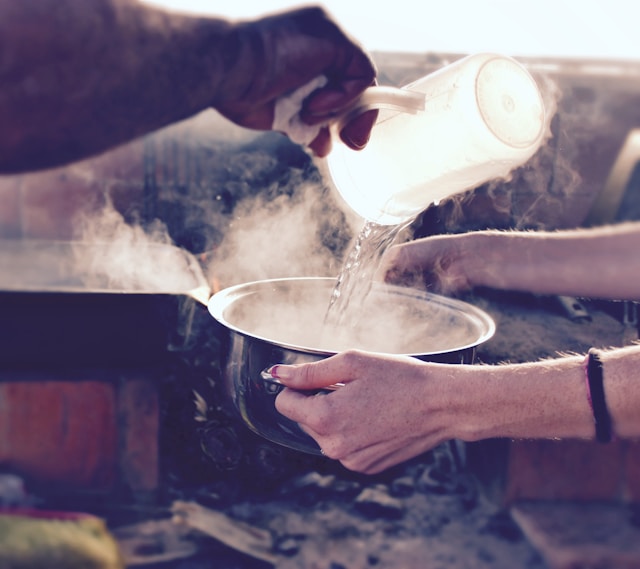
- 13 The Non-Insult Meaning: A Kitchen Assistant
- 14 Regional Meanings of Pinche
- 15 Common Expressions with Pinche
- 16 Pinche vs. Maldito vs. Puto
- 17 Pinche vs. Pendejo vs. Cabrón vs. Güey
- 18 Natural Conversation Examples
- 19 Safer Alternatives for Spanish Learners
- 20 Common Beginner Mistakes
- 20.1 Mistake 1: Translating every pinche as “fucking”
- 20.2 Mistake 2: Assuming pinche is only an intensifier
- 20.3 Mistake 3: Assuming it is only an insult
- 20.4 Mistake 4: Saying pincha before a feminine noun
- 20.5 Mistake 5: Forgetting the plural
- 20.6 Mistake 6: Translating pinche güey with one fixed phrase
- 20.7 Mistake 7: Assuming friendly use makes it universally safe
- 20.8 Mistake 8: Treating pinche as universal Spanish
- 20.9 Mistake 9: Ignoring word order
- 20.10 Mistake 10: Copying its frequency from movies
- 21 The Origin of Pinche
- 22 Frequently Asked Questions About Pinche
- 22.1 What does pinche mean in Spanish?
- 22.2 What is pinche in English?
- 22.3 Is pinche offensive?
- 22.4 What does pinche güey mean?
- 22.5 Is it spelled pinche wey or pinche güey?
- 22.6 Can pinche mean “fucking”?
- 22.7 Can pinche mean “damn”?
- 22.8 Can pinche mean “cheap”?
- 22.9 What does no seas pinche mean?
- 22.10 What does la comida estaba pinche mean?
- 22.11 Does pinche change for gender?
- 22.12 What is the plural of pinche?
- 22.13 Can pinche be affectionate?
- 22.14 Does pinche mean kitchen assistant?
- 22.15 Is pinche used only in Mexico?
- 22.16 What is the difference between pinche and pendejo?
- 22.17 What is the difference between pinche and cabrón?
- 22.18 What is the difference between pinche and güey?
- 22.19 Should Spanish beginners use pinche?
- 23 Pinche and Pinche Güey: Summary
- 24 Related Guide
What Does Pinche Mean in Spanish?
In colloquial Mexican Spanish, pinche is a rough and usually negative adjective.
It expresses contempt, irritation, disappointment, or the idea that a person or thing is insignificant, unpleasant, cheap, or low quality.
Before a disliked person: fucking, damn, lousy, worthless
Before an annoying object: damn, stupid, fucking
For something low quality: lousy, crappy, cheap, poor-quality
For something insignificant: mere, little, insignificant, pathetic
For a stingy person: cheap, stingy, miserly
In a non-slang meaning: kitchen assistant or kitchen helper
A useful core image is:
The speaker lowers the value of a person or thing and presents it as contemptible, irritating, insignificant, cheap, or poor.
Sometimes this lowering of value is a serious insult.
Sometimes it simply adds emotional frustration:
No encuentro las pinches llaves.
I can’t find the damn keys.
The speaker does not literally believe that the keys are immoral or worthless.
The word shows irritation with the situation.
Is pinche an insult, or is it only an intensifier?
It can do both jobs.
With a person, it may directly lower or insult them. With an object or situation, it often intensifies the speaker’s irritation or negative opinion.
So does it have a meaning by itself?
Yes. A person or thing can be described as pinche, meaning contemptible, stingy, cheap, lousy, or low quality.
However, learners encounter it most often directly before another noun.
How to Pronounce Pinche
Pinche has two syllables.
Syllables: pin-che
Stress: pin
Approximate pronunciation: PEEN-cheh
IPA: /ˈpintʃe/
The Spanish i is closer to the vowel in English “machine” than the vowel in “pin.”
The Spanish ch is pronounced similarly to the English ch in “chair.”
The final e is pronounced. The word does not end with the English sound in “pinch.”
Is it pronounced like the English verb “pinch”?
No.
The Spanish word has a pronounced final vowel: PEEN-cheh. The English word “pinch” ends immediately after the ch sound.
Does Pinche Change for Gender or Number?
In the common Mexican adjective use, pinche has the same singular form before masculine and feminine nouns.
the damn car
Feminine singular: la pinche puerta
the damn door
Masculine plural: los pinches coches
the damn cars
Feminine plural: las pinches puertas
the damn doors
The singular form does not become pincha merely because the noun is feminine.
The plural normally becomes pinches.
Should I say pincha casa because casa is feminine?
Not in the ordinary Mexican slang use.
You would say la pinche casa. The form pinche works with both masculine and feminine singular nouns.
What happens in the plural?
Add -s: pinches.
For example, las pinches llaves means “the damn keys.”
Is Pinche Offensive?
Pinche is considered vulgar, coarse, or socially rough in common Mexican use.
Its strength varies considerably.
| Situation | Possible effect |
|---|---|
| Complaining about an object | Rough frustration: “this damn thing” |
| Describing low-quality food or service | Harsh criticism: “lousy” or “crappy” |
| Directed at a stranger | Potentially aggressive and insulting |
| Used between close friends | May be teasing or affectionate |
| Work, school, or formal service | Usually inappropriate |
It is generally less explosive than an extremely aggressive expression such as chinga tu madre.
That does not make it polite.
Learn to recognize pinche in conversation.
Use neutral alternatives until you clearly understand the relationship, region, and emotional tone.
Is pinche as offensive as the English F-word?
Not in every sentence.
Sometimes “damn” or “lousy” better matches its force. In a hostile sentence directed at a person, a stronger English word may be appropriate.
Can it ever be friendly?
Yes, certain Mexican uses can be affectionate or teasing between people with an established relationship.
However, the same wording can sound contemptuous when used with a stranger.
Meaning 1: Pinche as “Damn” or “Fucking”
One of the most common uses is placing pinche before a noun to express irritation or contempt.
Este pinche teléfono no funciona.
This damn phone doesn’t work.
This fucking phone doesn’t work.
No encuentro el pinche documento.
I can’t find the damn document.
Odio este pinche tráfico.
I hate this fucking traffic.
I hate this damn traffic.
Here, pinche adds emotion rather than essential factual information.
Without it, the basic meaning remains:
This phone doesn’t work.
Este pinche teléfono no funciona.
This damn phone doesn’t work.
The second sentence reveals the speaker’s frustration.
Does pinche teléfono mean that the phone is cheap?
Possibly, but not necessarily.
The speaker may simply be angry because the phone is not working. You need the surrounding sentence to know whether quality or momentary frustration is emphasized.
Meaning 2: Pinche as “Lousy,” “Crappy,” or Low Quality
Pinche can directly describe something as low quality, cheap, poor, or disappointing.
La comida estaba pinche.
The food was lousy.
The food was crappy.
Me dieron un regalo bien pinche.
They gave me a really cheap, lousy gift.
Vive en un departamento muy pinche.
He lives in a really poor-quality apartment.
He lives in a crappy apartment.
In these examples, the word is not merely an emotional intensifier.
It evaluates the actual quality or value of the thing.
el pinche regalo
the damn or lousy gift
After a linking verb:
el regalo está pinche
the gift is lousy or poor quality
How do I know whether to translate it as “damn” or “lousy”?
Ask whether the speaker is evaluating the object’s quality.
If the food, gift, apartment, or service is described as bad or cheap, “lousy” or “crappy” is usually clearer.
Meaning 3: Pinche as “Insignificant,” “Mere,” or “Pathetic”
The word can reduce the importance, size, or status of a person or thing.
Todo este problema empezó por una pinche camisa.
This whole problem started over one stupid shirt.
This whole problem started over a mere shirt.
No voy a rendirme por un pinche error.
I’m not going to give up because of one stupid little mistake.
Se cree importante, pero es un pinche empleado.
He thinks he is important, but he is just a low-level employee.
This use can communicate:
“It has little value.”
“It is beneath consideration.”
“It is pathetic that this caused a problem.”
The English translation may therefore use “mere,” “little,” “stupid,” “pathetic,” or “just.”
Why would subtitles sometimes translate pinche as “little”?
Because the speaker may be minimizing something rather than simply swearing.
“One stupid little problem” can reproduce that dismissive attitude better than a literal profanity.
Meaning 4: Pinche for a Contemptible or Mean Person
Pinche can describe a person as contemptible, petty, stingy, or mean.
Ese hombre es muy pinche.
That man is really petty.
That man is a contemptible person.
No seas pinche. Comparte la comida.
Don’t be stingy. Share the food.
Es tan pinche que nunca deja propina.
He’s so cheap that he never leaves a tip.
In this use, the correct English translation depends on which negative trait is being criticized.
Character: mean, petty, contemptible
Social status: insignificant, low-level
Behavior: lousy, pathetic, unfair
What does No seas pinche mean?
It often means “Don’t be stingy,” “Don’t be cheap,” or “Don’t be petty.”
The situation determines which negative trait the speaker is criticizing.
What Does Pinche Güey Mean?
Pinche güey combines two highly informal Mexican expressions.
damn, fucking, lousy, contemptible
güey
dude, guy, fool, idiot, conversational address
Because güey itself changes meaning according to the relationship and tone, pinche güey also has several possible translations.
fucking idiot
damn fool
that fucking guy
that damn dude
that lousy guy
you little bastard
that annoying guy
The phrase is usually negative or at least mock-negative.
However, close friends may use it jokingly.
Pinche güey as a serious insult
Ese pinche güey me robó.
That fucking asshole robbed me.
That fucking guy robbed me.
The person committed a harmful act, so the phrase is clearly hostile.
Pinche güey as an annoyed description
El pinche güey volvió a llegar tarde.
That damn guy was late again.
The speaker may be irritated without expressing extreme hatred.
Pinche güey as playful criticism
¡Pinche güey! Me asustaste.
You idiot! You scared me.
You little bastard! You scared me.
Between close friends, laughter and tone can make the phrase playful.
Does pinche güey always mean “fucking idiot”?
No.
If güey means “guy,” the phrase may be “that damn guy.” If it means “idiot,” a stronger translation such as “fucking idiot” may fit.
Is wey a different word from güey in this phrase?
No. Wey is a very common informal spelling of güey.
The standard dictionary spelling is güey, while pinche wey is common in chats, memes, and social media.
If a friend calls me pinche güey while laughing, should I be offended?
Not automatically.
Between close friends, it may be playful criticism. But the same phrase from an angry stranger would be much more threatening and insulting.
Can I start calling my Mexican friends pinche güey if they use it?
It is safer to wait.
Their use may depend on years of shared history. A learner’s imitation can sound stronger, less natural, or more aggressive than intended.
Pinche Before Objects and Situations
When pinche modifies an object or situation, it often expresses frustration rather than a carefully considered judgment.
La pinche puerta no abre.
The damn door won’t open.
Perdí otra vez el pinche autobús.
I missed the damn bus again.
Estoy cansado de este pinche problema.
I’m tired of this fucking problem.
La pinche lluvia arruinó el viaje.
The damn rain ruined the trip.
The object itself may be ordinary.
The word reflects the speaker’s emotional relationship with it at that moment.
Does pinche lluvia mean the rain is low quality?
No. Rain does not normally have a quality grade.
Here, pinche simply shows that the speaker is angry or frustrated because of the rain.
Can Pinche Be Omitted in English?
Yes. A natural translation does not always need a separate word for pinche.
¿Dónde están las pinches llaves?
Where are the keys?
This translation loses some irritation, but it may be sufficient when the tone of the actor already communicates the emotion.
A more emotionally complete translation would be:
Where are the damn keys?
Translators may omit the word when:
a literal swear word would sound excessive in English
the target audience requires softer language
another English word already communicates the frustration
repeated profanity would sound unnatural
If subtitles omit pinche, are they mistranslating it?
Not necessarily.
Translation communicates the whole scene, not every word mechanically. The irritation may already be visible in the speaker’s voice and behavior.
Can Pinche Be Affectionate?
Although its most familiar uses are negative, dictionaries also record an affectionate Mexican use for a person who is loved or appreciated.
Rough language can become affectionate inside a close relationship:
Ven acá, pinche loco. Te extrañé.
Come here, you crazy bastard. I missed you.
The affectionate effect comes from the complete relationship and sentence—not from pinche becoming a polite compliment.
The same expression may sound loving between old friends and contemptuous between strangers.
Does affectionate pinche mean something like “dear”?
Not as a direct dictionary replacement.
It is closer to an affectionate mock-insult such as “you crazy bastard” between people who clearly care about each other.
The Non-Insult Meaning: A Kitchen Assistant
Pinche also has a non-slang occupational meaning.
It can refer to a person who performs auxiliary work in a kitchen.
kitchen assistant
kitchen helper
junior kitchen worker
Empezó como pinche de cocina y después se convirtió en chef.
He started as a kitchen assistant and later became a chef.
This meaning is not an insult when the occupational context is clear.
However, learners should avoid assuming that any sentence containing pinche refers to a kitchen worker.
Could Es un pinche mean “He is a kitchen assistant”?
It could in a clear workplace context.
Without that context, listeners may interpret the sentence as a negative description, so adding de cocina makes the occupation clearer.
Regional Meanings of Pinche
The highly familiar swear-like use is especially associated with Mexico, but pinche has other meanings throughout the Spanish-speaking world.
| Region | Documented meaning | Beginner note |
|---|---|---|
| Mexico | Contemptible, lousy, cheap, damn, irritating; sometimes affectionate | The main focus of this article |
| Guatemala, Honduras, El Salvador, Nicaragua and parts of South America | Insignificant, small, contemptible, or poor quality, depending on country | Meaning and strength differ locally |
| Costa Rica, El Salvador and Nicaragua | Stingy or miserly person in recorded use | Similar to “cheap” with money |
| Argentina and Uruguay | Lowest-ranking worker in a hierarchy in one regional use | Not necessarily the Mexican profanity |
| Chile | A casual flirtation partner in one regional use | A very different noun meaning |
| Puerto Rico and other regions | Various objects or utensils in specialized regional uses | Do not force the Mexican interpretation |
Hearing pinche does not automatically tell you that the speaker is insulting someone.
Identify the country and topic before choosing an English translation.
Will a speaker from Spain understand the Mexican use?
They may recognize it through Mexican media, but it is not a universal everyday intensifier across all Spanish varieties.
In Spain, the kitchen-assistant meaning may also be relevant.
Common Expressions with Pinche
1. Pinche vida
Estoy cansado de esta pinche vida.
I’m tired of this damn life.
I’m tired of this fucking life.
2. Pinche suerte
Siempre tengo la misma pinche suerte.
I always have the same lousy luck.
I always have this damn luck.
3. Pinche trabajo
Este pinche trabajo nunca termina.
This damn job never ends.
4. Pinche tráfico
Llegué tarde por el pinche tráfico.
I was late because of the damn traffic.
5. Pinche perro
El pinche perro me despertó otra vez.
That damn dog woke me up again.
This may express temporary annoyance rather than hatred of the dog.
6. Pinche mentiroso
No le creas a ese pinche mentiroso.
Don’t believe that fucking liar.
Because mentiroso already criticizes the person, pinche intensifies the contempt.
7. Pinches cosas
Siempre deja sus pinches cosas por toda la casa.
He always leaves his damn stuff all over the house.
8. No seas pinche
No seas pinche. Invita una ronda.
Don’t be cheap. Buy a round.
9. Persona muy pinche
Fue muy pinche de su parte no ayudarnos.
It was really lousy of him not to help us.
That was a really shitty thing for him to do.
Can I put pinche before almost any noun?
Native speakers can apply it very flexibly, but that does not mean every combination sounds natural.
Its purpose is normally to lower, dismiss, or complain about the noun, so the emotional context must support that attitude.
Pinche vs. Maldito vs. Puto
Several Spanish words may appear before nouns as negative intensifiers, but they are not identical.
| Word | Core idea | General impression |
|---|---|---|
| pinche | Lowers something as lousy, irritating, insignificant, or contemptible | Strongly Mexican, rough, flexible |
| maldito | Cursed or strongly disliked | More widely understood; often “damn” or “damned” |
| puto | Very strong vulgar intensification or personal insult | Potentially stronger and more socially dangerous |
This damn or lousy car doesn’t work.
Este maldito coche no funciona.
This damned car doesn’t work.
Este puto coche no funciona.
This fucking car doesn’t work.
The actual strength depends on country, speaker, and situation, so this comparison is only a learning guide.
Is maldito a safer replacement for pinche?
It is more widely understood, but it still expresses anger and may still be inappropriate.
A truly neutral replacement is often an adjective such as molesto, malo, or de mala calidad.
Pinche vs. Pendejo vs. Cabrón vs. Güey
| Word | Main function | Core negative idea |
|---|---|---|
| pinche | Adjective or intensifying modifier | Lousy, irritating, insignificant, contemptible |
| pendejo | Noun or adjective for a person | Foolish, gullible, weak, immature |
| cabrón | Noun or adjective | Malicious, troublesome, harsh, cunning |
| güey | Address term, noun, or conversational filler | Dude, guy, fool, idiot |
That guy lost the keys.
Ese pendejo perdió las llaves.
That idiot lost the keys.
Ese cabrón escondió las llaves.
That bastard hid the keys.
Ese pinche güey escondió las llaves.
That fucking guy hid the keys.
The difference is:
pendejo criticizes the person as foolish.
cabrón criticizes the person as malicious or troublesome.
pinche intensifies the speaker’s contempt or irritation toward the following word.
Can I say pinche pendejo or pinche cabrón?
Such combinations are possible because pinche intensifies the following insult.
They are also highly aggressive, so recognizing them is more useful for a beginner than actively using them.
Natural Conversation Examples
1. An annoying object
Why haven’t you finished?
B: Porque esta pinche computadora se congela cada cinco minutos.
Because this damn computer freezes every five minutes.
2. Low-quality food
Did you like the restaurant?
B: No. La comida estaba bien pinche.
No. The food was really lousy.
3. A stingy friend
You want everyone to pay your share again?
B: Solo esta vez.
Just this once.
A: No seas pinche.
Don’t be so cheap.
4. A serious insult
The guy took my money and disappeared.
B: Pinche güey.
Fucking asshole.
That fucking guy.
5. Playful criticism
Boo!
B: ¡Pinche güey! Casi me matas del susto.
You idiot! You almost scared me to death.
6. Minimizing an object
They argued for two hours over one stupid chair.
7. Frustration with bad luck
First I missed the train, and now it’s raining. What lousy luck.
8. A bad apartment
I pay too much for this crappy apartment.
9. A low-level kitchen job
He worked as a kitchen assistant while studying culinary arts.
10. Emotional but not literally insulting
Why are you angry?
B: Porque no encuentro mis pinches lentes.
Because I can’t find my damn glasses.
Safer Alternatives for Spanish Learners
Instead of relying on pinche, choose a word that states the actual problem.
molesto — annoying
irritante — irritating
For something low quality:
de mala calidad — low quality
malo — bad
barato — cheap or inexpensive
For a difficult situation:
difícil — difficult
complicado — complicated
For a stingy person:
tacaño — stingy
mezquino — miserly or mean
For a disliked person:
Es una persona desagradable.
He or she is an unpleasant person.
These alternatives are easier to use precisely and safely.
Should I avoid saying pinche completely?
Learn to understand it now because it appears frequently in Mexican Spanish.
Active use can wait until you understand how strong it sounds in your specific relationship and situation.
Common Beginner Mistakes
Mistake 1: Translating every pinche as “fucking”
Depending on context, “damn,” “lousy,” “cheap,” “stupid,” “insignificant,” or no separate English word may be more natural.
Mistake 2: Assuming pinche is only an intensifier
It can directly describe a person as stingy or contemptible and a thing as low quality.
Mistake 3: Assuming it is only an insult
It also has a non-slang occupational meaning referring to a kitchen assistant.
Mistake 4: Saying pincha before a feminine noun
In the usual Mexican adjective use, say la pinche casa, not la pincha casa.
Mistake 5: Forgetting the plural
The plural form is pinches, as in las pinches llaves.
Mistake 6: Translating pinche güey with one fixed phrase
It may mean “fucking idiot,” “damn guy,” “that annoying dude,” or playful “you little bastard,” depending on context.
Mistake 7: Assuming friendly use makes it universally safe
Mock-insults depend on established trust and do not transfer automatically to new speakers.
Mistake 8: Treating pinche as universal Spanish
The swear-like modifier is strongly associated with Mexico. Other countries have different meanings or may not use it naturally in the same way.
Mistake 9: Ignoring word order
Before a noun, pinche often adds contempt or frustration. After a linking verb, it may more directly evaluate something as lousy, cheap, or contemptible.
Mistake 10: Copying its frequency from movies
Repeated use by a learner can sound exaggerated, aggressive, or like an imitation of a stereotype.
The Origin of Pinche
The Real Academia Española derives pinche from the verb pinchar.
Pinchar generally relates to pricking, piercing, or poking with a pointed object.
The academic dictionary does not provide one simple historical chain explaining every modern regional meaning of pinche.
It is therefore safer not to invent a direct semantic story linking the physical action of piercing to every modern insult.
pinchar
to prick, pierce, or poke
↓
pinche
a word with occupational and regional meanings
↓
Mexican colloquial uses expressing contempt, irritation, low quality, insignificance, or stinginess
The important learning point is not a speculative story about the origin.
It is the modern core image: the speaker lowers the person or thing and treats it as irritating, contemptible, cheap, or unimportant.
Frequently Asked Questions About Pinche
What does pinche mean in Spanish?
In Mexican Spanish, pinche is a rough adjective meaning something like “damn,” “fucking,” “lousy,” “cheap,” “insignificant,” or “contemptible.” It can also mean a stingy person or, in a separate non-slang use, a kitchen assistant.
What is pinche in English?
Possible English translations include “damn,” “fucking,” “lousy,” “crappy,” “cheap,” “worthless,” “stupid,” and “mere.” The best translation depends on what it modifies and why the speaker is upset.
Is pinche offensive?
It is generally coarse, vulgar, or socially rough in Mexican Spanish. Its strength ranges from mild frustration to a serious insult.
What does pinche güey mean?
Pinche güey may mean “fucking idiot,” “damn fool,” “that fucking guy,” “that damn dude,” or a playful “you little bastard.” The relationship and tone determine the meaning.
Is it spelled pinche wey or pinche güey?
Pinche güey uses the standard spelling of güey. Pinche wey is a common informal spelling in text messages, memes, and social media.
Can pinche mean “fucking”?
Yes. In angry or strongly vulgar sentences it may correspond to “fucking.” In less intense contexts, “damn,” “lousy,” or another expression may sound more natural.
Can pinche mean “damn”?
Yes. Before an annoying object or situation, “damn” is often a natural English equivalent.
Can pinche mean “cheap”?
Yes. It can describe something as low quality or inexpensive in a negative way, and it can describe a person as stingy.
What does no seas pinche mean?
It commonly means “Don’t be stingy,” “Don’t be cheap,” “Don’t be petty,” or “Don’t be mean,” depending on the situation.
What does la comida estaba pinche mean?
It means “The food was lousy,” “The food was crappy,” or “The food was poor quality.”
Does pinche change for gender?
In the ordinary Mexican adjective use, the singular form remains pinche with masculine and feminine nouns. For example, el pinche coche and la pinche puerta.
What is the plural of pinche?
The plural is pinches, as in los pinches coches and las pinches puertas.
Can pinche be affectionate?
Certain Mexican uses can be affectionate or teasing inside close relationships. It remains rough language and should not be treated as a polite term of affection.
Does pinche mean kitchen assistant?
Yes. In a separate non-slang meaning, a pinche de cocina is a kitchen assistant or kitchen helper.
Is pinche used only in Mexico?
No. Dictionaries record meanings in many countries, but the familiar swear-like modifier meaning “damn,” “lousy,” or “fucking” is especially associated with Mexican Spanish.
What is the difference between pinche and pendejo?
Pinche generally modifies or lowers the value of a person or thing. Pendejo more directly describes a person as foolish, gullible, weak, or contemptible.
What is the difference between pinche and cabrón?
Pinche commonly functions as a negative modifier such as “damn” or “lousy.” Cabrón commonly describes a person as malicious, troublesome, formidable, or highly skilled.
What is the difference between pinche and güey?
Pinche adds contempt or irritation. Güey identifies or addresses a person as “dude,” “guy,” “fool,” or “idiot.” They can be combined as pinche güey.
Should Spanish beginners use pinche?
Beginners should learn to recognize it but avoid using it until they understand the regional meaning, strength, relationship, and context.
Pinche and Pinche Güey: Summary
● Core image: lowering the value of a person or thing
● Before an object: often shows irritation or contempt
● As a quality judgment: lousy, crappy, poor, or low quality
● For a person: stingy, petty, mean, insignificant, or contemptible
● Pinche güey: fucking idiot, damn guy, annoying dude, or a playful mock-insult
● Standard spelling: pinche güey
● Informal spelling: pinche wey
● Gender: pinche with both masculine and feminine singular nouns
● Plural: pinches
● Non-slang meaning: kitchen assistant
● Regional warning: meanings differ considerably outside Mexico
● Beginner advice: understand it first and use neutral alternatives when speaking
Do not memorize only “pinche = fucking.”
Remember the broader core image: the speaker lowers a person or thing and presents it as irritating, lousy, cheap, insignificant, or contemptible.
Then decide whether the natural English translation is “damn,” “lousy,” “fucking,” “stupid,” “mere,” or no separate word at all.
Real Academia Española and Asociación de Academias de la Lengua Española, Diccionario de la lengua española: “pinche, pincha.”
El Colegio de México, Diccionario del español de México: “pinche.”
Asociación de Academias de la Lengua Española, Diccionario de americanismos: “pinche.”
Related Guide
If you want to see how pendejo, cabrón, chingar and pinche compare side by side, read our full guide: Spanish Swear Words Explained: Mexican Curse Words and Their Meanings.