Hello, I’m Kodak.
You may have seen the Japanese phrase mono no aware translated as:
・the pathos of things
・a gentle sadness about passing time
・sensitivity to fleeting beauty
もののあはれ (mono no aware) is the deep feeling that arises when something in nature or human life touches your heart—often because you realize that it is beautiful, precious, changing, or unable to last forever.
Sadness may be part of it, but so may love, admiration, nostalgia, sympathy, gratitude, and tenderness.
Mono no aware is a sensitive, deeply felt response to the world and to human life.
It often describes the bittersweet emotion produced by beauty that will fade, a relationship that will change, a season that will end, or a moment that cannot be repeated.
A simple beginner translation is:
“being deeply moved by the fleeting nature of things.”
In this beginner-friendly article, you will learn:
② why it does not simply mean sadness
③ how to pronounce and write もののあはれ
④ the role of Motoori Norinaga and The Tale of Genji
⑤ clear examples from nature, daily life, relationships, literature, film, and anime-style scenes
⑥ how it differs from mujō, wabi, yūgen, and okashi
⑦ how to use the expression naturally in Japanese
- 1 What Does Mono no Aware Mean?
- 2 The Core Image: Your Heart Responds Because the Moment Will Pass
- 3 Does Mono no Aware Mean Sadness?
- 4 Breaking Down the Phrase もののあはれ
- 5 How to Pronounce Mono no Aware
- 6 Is 物の哀れ the Correct Kanji?
- 7 Mono no Aware and Motoori Norinaga
- 8 Mono no Aware and The Tale of Genji
- 9 10 Clear Mono no Aware Examples
- 9.1 Example 1: Cherry Blossoms Begin to Fall
- 9.2 Example 2: The Last Evening of Summer
- 9.3 Example 3: A Child’s Outgrown Shoes
- 9.4 Example 4: Graduation Day
- 9.5 Example 5: An Old Family Home Before It Is Demolished
- 9.6 Example 6: A Festival After the Crowd Has Gone
- 9.7 Example 7: Reading an Old Message from Someone You No Longer See
- 9.8 Example 8: A Pet Growing Old
- 9.9 Example 9: The Final Scene of a Coming-of-Age Story
- 9.10 Example 10: A Beautiful Meal That Exists Only for One Evening
- 10 Mono no Aware Examples in Nature
- 11 Mono no Aware Examples in Human Relationships
- 12 Mono no Aware in Anime, Manga, and Film
- 13 How to Recognize Mono no Aware in a Story
- 14 Mono no Aware vs Mujō
- 15 Mono no Aware vs Wabi
- 16 Mono no Aware vs Yūgen
- 17 Mono no Aware vs Okashi
- 18 Is Mono no Aware Unique to Japanese People?
- 19 How to Use Mono no Aware in Japanese
- 20 Natural Example Sentences with Mono no Aware
- 21 Mini Quiz: Which Scenes Show Mono no Aware?
- 22 Common Misunderstandings
- 22.1 Misunderstanding 1: “Mono no Aware Means Everything Is Sad”
- 22.2 Misunderstanding 2: “It Is Simply the Japanese Word for Impermanence”
- 22.3 Misunderstanding 3: “Anything Old or Broken Is Mono no Aware”
- 22.4 Misunderstanding 4: “Japanese People Constantly Use This Phrase in Daily Conversation”
- 22.5 Misunderstanding 5: “Only Japanese People Can Experience It”
- 22.6 Misunderstanding 6: “Norinaga Invented the Phrase”
- 23 FAQ About Mono no Aware
- 23.1 What is the best English translation of mono no aware?
- 23.2 Does mono no aware mean “the beauty of impermanence”?
- 23.3 Is mono no aware always sad?
- 23.4 What is a simple example of mono no aware?
- 23.5 What does mono mean in mono no aware?
- 23.6 How do you pronounce mono no aware?
- 23.7 Why is aware sometimes written ahare?
- 23.8 Did Motoori Norinaga create mono no aware?
- 23.9 What is the relationship between mono no aware and The Tale of Genji?
- 23.10 What is the difference between mono no aware and wabi-sabi?
- 23.11 What is the difference between mono no aware and mujō?
- 23.12 Is mono no aware used in anime?
- 24 Summary: The Meaning and Examples of Mono no Aware
- 25 References
What Does Mono no Aware Mean?
Modern kana: もののあわれ
Common kanji spelling: 物の哀れ
Romaji: mono no aware
Approximate meanings:
・a deeply moving emotional response to things
・poignant sensitivity to beauty and change
・a bittersweet awareness that things do not last
・the emotional “pathos of things”
Japanese dictionaries describe もののあはれ as a quiet, deeply felt emotion that arises when a person encounters the changing forms of nature or human life.
The expression became especially important as a literary and aesthetic idea through the work of the Edo-period scholar 本居宣長 (Motoori Norinaga).
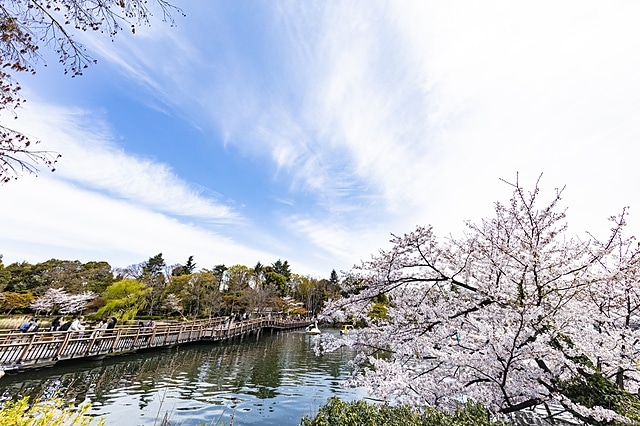
They are beautiful—but their beauty feels more precious because you know they will soon disappear.
The feeling in your heart is not only “pretty” and not only “sad.” It is a mixture of both. That is a simple example of mono no aware.
The Core Image: Your Heart Responds Because the Moment Will Pass
a flower, season, person, memory, story, place, or moment
↓
You understand its emotional meaning
its beauty, vulnerability, history, love, loneliness, or importance
↓
You feel that it cannot remain exactly as it is
the flower will fall, the child will grow, the meeting will end
↓
Your heart is quietly and deeply moved
that response is close to mono no aware
A parent can feel it while looking at a sleeping child, because the parent knows this stage of childhood will not last. The awareness of change makes the present moment more emotionally vivid.
Does Mono no Aware Mean Sadness?
Sadness is important, but it is not the whole meaning.
The classical word あはれ (aware) developed from an emotional exclamation and could respond to many kinds of feeling. In the phrase もののあはれ, the emotion often became associated with quiet poignancy, sympathy, and an awareness of life’s changing nature.
・sadness because something ends
・joy because something beautiful exists now
・love for someone who is changing or leaving
・sympathy for another person’s situation
・nostalgia for a time that cannot return
・gratitude for a temporary moment
・admiration mixed with loneliness
・acceptance that life continues to change
However, mono no aware is broader than one emotional flavor. It also includes the sensitivity needed to recognize why a person, event, or natural scene is emotionally meaningful.
Breaking Down the Phrase もののあはれ
もの (Mono): “Things” or What We Encounter
In this phrase, もの is broad. It may refer to objects, nature, events, human relationships, situations, stories, and the world we experience.
・falling flowers
・a fading season
・a person’s love or suffering
・an old house
・a farewell
・a memory
・a fictional character’s fate
・the rise and fall of a family or society
の (No): Connecting “Things” and “Aware”
The particle の connects もの and あはれ. A literal word-for-word translation does not produce natural English, which is one reason the whole phrase is difficult to translate.
あはれ/あわれ (Aware): A Deep Emotional Response
In classical Japanese, あはれ was connected with exclamation and emotional response. Over time, it became an important word for being deeply moved, especially with a quiet and poignant emotional tone.
The Japanese pronunciation is approximately ah-wah-reh, with three clear parts: a・wa・re.
How to Pronounce Mono no Aware
Historical spelling often used in the term: もののあはれ
Romaji: mono no aware
Mora: も・の・の・あ・わ・れ
Approximate English guide: “moh-noh no ah-wah-reh”
Pronounce the six Japanese morae with relatively even timing. Do not pronounce the final word like English “aware”.
In modern kana spelling, the pronunciation is written あわれ. Both forms may appear when discussing mono no aware.
Is 物の哀れ the Correct Kanji?
You may see several spellings:
A common spelling when emphasizing the historical and literary term.
もののあわれ
The phrase in modern kana spelling.
物の哀れ
A widely used kanji-and-kana spelling.
物のあはれ
A mixed spelling that keeps the historical form of aware.
The kanji 哀 strongly suggests sorrow in modern Japanese. However, the historical range of あはれ was not limited to sorrow alone.
Mono no Aware and Motoori Norinaga
Motoori Norinaga (本居宣長, 1730–1801) was an Edo-period scholar of Japanese classics. He did not invent the phrase, which had existed in earlier literature, but he made it central to an influential theory of literature.
Norinaga developed his ideas in works including 紫文要領 (Shibun Yōryō), completed in 1763, and 源氏物語玉の小櫛 (Genji Monogatari Tama no Ogushi), published in 1799.
A story is not valuable only because it teaches a moral rule.
↓
Literature can reveal how human beings actually feel.
↓
A reader should understand the emotions naturally caused by love, loss, beauty, conflict, sympathy, and change.
↓
This emotional understanding is connected with knowing mono no aware.
Norinaga’s point was that literature can portray human emotion as it is, rather than existing only to deliver a simple moral lesson.
Mono no Aware and The Tale of Genji
The Tale of Genji (源氏物語), written in the Heian period and traditionally attributed to Murasaki Shikibu, became the most important work in Norinaga’s explanation of mono no aware.
The story presents love, separation, status, memory, aging, death, changing seasons, and the consequences of human desire. Its characters often experience happiness and loss at the same time.
・relationships are precious but unstable
・beauty and youth do not remain
・seasonal scenes mirror human emotion
・characters are flawed yet emotionally understandable
・past happiness becomes painful memory
・the reader is invited to feel sympathy rather than make only simple judgments
Reading classical literature shows how deeply the idea was developed, but you may already know the feeling from farewells, old photographs, changing seasons, and people you love.
10 Clear Mono no Aware Examples
Example 1: Cherry Blossoms Begin to Fall
↓
A wind begins to scatter the petals.
↓
You are moved because the beauty is present and disappearing at the same time.
Why it fits: beauty becomes more precious through its short life.
Example 2: The Last Evening of Summer
Why it fits: one season is quietly becoming another, and the familiar atmosphere cannot be held in place.
Example 3: A Child’s Outgrown Shoes
The parent is happy that the child has grown, but also misses the time when those shoes were worn.
Why it fits: love, growth, gratitude, and loss exist together.
Example 4: Graduation Day
Everyone is celebrating, yet they know that their ordinary days together have ended.
Why it fits: a joyful achievement also marks an irreversible farewell.
Example 5: An Old Family Home Before It Is Demolished
Why it fits: the physical object is temporary, while the feelings connected to it remain.
Example 6: A Festival After the Crowd Has Gone
Why it fits: the quiet after celebration makes the liveliness of the earlier moment feel more precious.
Example 7: Reading an Old Message from Someone You No Longer See
Why it fits: the emotional value comes from time, memory, and irreversibility.
Example 8: A Pet Growing Old
Why it fits: awareness of limited time deepens affection in the present.
Example 9: The Final Scene of a Coming-of-Age Story
Why it fits: growth is positive, yet every new stage requires leaving another stage behind.
Example 10: A Beautiful Meal That Exists Only for One Evening
Why it fits: temporary experience can be meaningful precisely because it cannot be permanently possessed.
The concept usually involves a sensitive response to the meaning of a person, thing, event, or changing moment—not merely feeling bad. It often has reflection, tenderness, beauty, or sympathy inside the sadness.
Mono no Aware Examples in Nature
The flowers are no longer at their peak, but the fallen petals create a different beauty.
Autumn leaves carried away by rain
The season’s color is vivid because it is already passing.
The moon disappearing behind clouds
Partial visibility makes the moment feel elusive and emotionally suggestive.
Snow melting in morning sunlight
The scene changes while you are looking at it.
A cicada’s final days in late summer
The sound is full of life and at the same time signals the ending of a season.
A field after harvest
Emptiness recalls the abundance that was there before.
Mono no Aware Examples in Human Relationships
You are happy for the opportunity and sad that everyday closeness will end.
A grandparent repeats an old story
The familiar story becomes precious because the chance to hear it is limited.
Former classmates meet after many years
They recognize one another, yet also see how much time has changed them.
A parent watches a child leave home
Independence is a success, but it transforms the relationship.
A couple revisits the place where they first met
The place remains, but they and their lives are no longer the same.
Mono no Aware in Anime, Manga, and Film
Modern stories often create mono no aware without using the phrase directly.
・friends separate after graduation
・a supernatural visitor must return to another world
・a town or school closes
・a character remembers a peaceful time before a conflict
・a summer friendship ends with the season
・a robot, spirit, or animal has a limited lifespan
・the hero achieves a goal but cannot return to the former life
・falling blossoms accompany a farewell
・an abandoned place still carries traces of the people who lived there
A scene feels closer to mono no aware when it encourages quiet recognition that the relationship or moment was precious because it could not last unchanged.
How to Recognize Mono no Aware in a Story
Ask the following questions:
Youth, love, season, status, life, place, memory, or society?
2. What makes it precious?
Beauty, intimacy, shared history, rarity, vulnerability, or emotional importance?
3. Does the story allow sympathy?
Can we understand the feelings of imperfect people?
4. Are joy and sadness present together?
Does gain also contain loss?
5. Does the scene become more meaningful because it cannot last?
Would permanence remove part of its emotional power?
Mono no Aware vs Mujō
無常 (mujō) means impermanence: the condition that things continually change and do not remain fixed.
The reality or idea that all conditioned things change.
Mono no aware (もののあはれ)
The human emotional response that may arise when we encounter beauty, life, relationships, and change.
Just remember that the concepts have complex histories. Mono no aware is not merely a Buddhist doctrine translated into emotion, even though awareness of impermanence often strengthens the feeling.
Mono no Aware vs Wabi
侘び (wabi) became associated with finding a quiet, clear beauty in simplicity, insufficiency, and an unshowy life.
Focuses more on simplicity, restraint, modest conditions, and quiet beauty.
Mono no aware
Focuses more on the emotional response produced by things, people, and their changing nature.
A simple, undecorated tea room
may be discussed through wabi.The realization that the gathering in that room will never happen in exactly the same way again
may evoke mono no aware.
Mono no Aware vs Yūgen
幽玄 (yūgen) is connected with subtle, profound beauty whose depth cannot be fully stated or seen directly.
A mysterious or profound beauty suggested beyond what is clearly shown.
Mono no aware
A deeply moving sensitivity to the emotional meaning of things and life.
A mountain partly hidden by mist
may suggest yūgen because much remains unseen.Knowing that the mist, light, and view will soon change
may also produce mono no aware.
Mono no Aware vs Okashi
In Heian-period aesthetics, をかし (okashi) often described something delightful, interesting, bright, clever, or worthy of appreciation.
Often involves lively, intelligent, bright, or observant appreciation.
Mono no aware
Often involves inward, sympathetic, quiet, and poignant emotional response.
One scene may be simple, mysterious, impermanent, delightful, and emotionally moving at the same time. The terms help us notice different aspects of the experience.
Is Mono no Aware Unique to Japanese People?
The phrase belongs to Japanese language and literary history, but the emotional experience is not limited to one nationality.
・nostalgia for childhood
・tenderness toward aging family members
・sadness at the end of summer
・gratitude during a farewell
・beauty in a temporary natural scene
・sympathy for fictional characters whose happiness cannot last
How to Use Mono no Aware in Japanese
もののあはれ sounds literary, cultural, or analytical. It is not usually an everyday emotional exclamation.
もののあはれを感じる: To Feel Mono no Aware
散りゆく桜に、もののあはれを感じる。
Chiriyuku sakura ni, mono no aware o kanjiru.
I feel mono no aware in the falling cherry blossoms.
もののあはれを知る: To Understand Mono no Aware
この物語の主人公は、もののあはれを知る人物として描かれている。
Kono monogatari no shujinkō wa, mono no aware o shiru jinbutsu to shite egakarete iru.
The protagonist is portrayed as a person who understands the emotional pathos of things.
もののあはれを感じさせる: To Evoke Mono no Aware
この映画の静かな結末は、もののあはれを感じさせる。
Kono eiga no shizuka na ketsumatsu wa, mono no aware o kanjisaseru.
The film’s quiet ending evokes mono no aware.
もののあはれに満ちている: To Be Filled with Mono no Aware
その場面は、もののあはれに満ちている。
Sono bamen wa, mono no aware ni michite iru.
That scene is filled with poignant emotional beauty.
In natural Japanese, say something such as もののあはれを感じる, or use an everyday reaction like きれいだね, なんだか切ないね, or しみじみするね.
Natural Example Sentences with Mono no Aware
満開の桜より、散り始めた桜にもののあはれを感じる。
Mankai no sakura yori, chirihajimeta sakura ni mono no aware o kanjiru.
More than cherry blossoms in full bloom, I feel mono no aware in blossoms that have begun to fall.
秋の夕暮れは、もののあはれを感じさせる。
Aki no yūgure wa, mono no aware o kanjisaseru.
An autumn evening evokes mono no aware.
古い手紙を読み返すと、もののあはれが胸に迫る。
Furui tegami o yomikaesu to, mono no aware ga mune ni semaru.
When I reread old letters, a poignant awareness of the past presses upon my heart.
この小説は、人生のはかなさともののあはれを描いている。
Kono shōsetsu wa, jinsei no hakanasa to mono no aware o egaite iru.
This novel portrays life’s transience and mono no aware.
卒業式の場面には、喜びと別れのもののあはれがある。
Sotsugyōshiki no bamen ni wa, yorokobi to wakare no mono no aware ga aru.
The graduation scene contains the mono no aware of joy and parting.
廃校になった校舎を見ると、もののあはれを覚える。
Haikō ni natta kōsha o miru to, mono no aware o oboeru.
Seeing the closed school building fills me with poignant emotion.
『源氏物語』は、もののあはれを表した作品として論じられてきた。
Genji Monogatari wa, mono no aware o arawashita sakuhin to shite ronjirarete kita.
The Tale of Genji has long been discussed as a work expressing mono no aware.
彼は人の弱さを責めるのではなく、もののあはれを知って受け止めた。
Kare wa hito no yowasa o semeru no de wa naku, mono no aware o shitte uketometa.
Rather than condemning human weakness, he accepted it with emotional understanding.
夏祭りの後の静かな通りに、もののあはれを感じた。
Natsumatsuri no ato no shizuka na tōri ni, mono no aware o kanjita.
I felt mono no aware in the quiet streets after the summer festival.
子どもの成長はうれしいが、少しもののあはれも感じる。
Kodomo no seichō wa ureshii ga, sukoshi mono no aware mo kanjiru.
I am happy about my child’s growth, but I also feel a little poignant awareness of passing time.
Mini Quiz: Which Scenes Show Mono no Aware?
Scene A
A person is angry because a new phone stops working after one day.
Scene B
After the final concert, a student touches the empty music stand and remembers years of practice with friends.
Scene C
A traveler sees a perfect flower and photographs it only to prove that the camera has excellent resolution.
Common Misunderstandings
Misunderstanding 1: “Mono no Aware Means Everything Is Sad”
The concept may contain sadness, but it also contains beauty, empathy, gratitude, love, and emotional insight.
Misunderstanding 2: “It Is Simply the Japanese Word for Impermanence”
無常 names impermanence more directly. Mono no aware describes an emotional and literary sensitivity that may arise in response to change.
Misunderstanding 3: “Anything Old or Broken Is Mono no Aware”
An old object may evoke the feeling if it carries time, memory, loss, or human significance. Age by itself is not enough.
Misunderstanding 4: “Japanese People Constantly Use This Phrase in Daily Conversation”
The phrase is widely recognized, but it often appears in discussions of literature, culture, aesthetics, criticism, and reflective writing rather than ordinary casual speech.
Misunderstanding 5: “Only Japanese People Can Experience It”
The historical concept is Japanese, but people in many cultures experience poignant feelings about change and temporary beauty.
Misunderstanding 6: “Norinaga Invented the Phrase”
The expression existed in Heian-period literature. Norinaga later developed it into a highly influential literary theory.
For beginners, it is best to learn the central idea without pretending that one English sentence captures every historical use.
FAQ About Mono no Aware
What is the best English translation of mono no aware?
No single translation is complete. Useful options include “the pathos of things,” “a bittersweet awareness of impermanence,” and “being deeply moved by the fleeting nature of things.”
Does mono no aware mean “the beauty of impermanence”?
That is a helpful shorthand, but it can be too narrow. The phrase also involves understanding and responding emotionally to nature, human relationships, situations, and stories.
Is mono no aware always sad?
No. It may combine sadness with love, joy, gratitude, admiration, nostalgia, sympathy, or acceptance.
What is a simple example of mono no aware?
Watching cherry blossoms fall and feeling that their short life makes their beauty more precious is a common introductory example.
What does mono mean in mono no aware?
Mono broadly refers to things or phenomena encountered in nature and human life—not only physical objects.
How do you pronounce mono no aware?
It is approximately “moh-noh no ah-wah-reh.” The Japanese rhythm is も・の・の・あ・わ・れ.
Why is aware sometimes written ahare?
あはれ is the historical kana spelling. The modern pronunciation and kana spelling are あわれ.
Did Motoori Norinaga create mono no aware?
No. The phrase existed in earlier Japanese literature. Norinaga made it central to his influential theory of literature, particularly his interpretation of The Tale of Genji.
What is the relationship between mono no aware and The Tale of Genji?
Norinaga regarded The Tale of Genji as the highest literary expression of mono no aware because it portrays human emotions, relationships, beauty, change, and loss with great sensitivity.
What is the difference between mono no aware and wabi-sabi?
Mono no aware emphasizes an emotional response to the changing and fleeting nature of things. Wabi and related wabi-sabi discussions more often emphasize simplicity, restraint, age, imperfection, and quiet beauty.
What is the difference between mono no aware and mujō?
Mujō means impermanence. Mono no aware is the poignant emotional response that may arise when a person recognizes beauty, meaning, and change.
Is mono no aware used in anime?
The phrase itself may not be spoken, but many anime and manga evoke it through temporary friendships, seasonal farewells, aging, memory, changing places, and endings that mix growth with loss.
Summary: The Meaning and Examples of Mono no Aware
Mono no aware is a deeply felt sensitivity to the emotional meaning of nature and human life, often intensified by awareness that things change and do not last.
● Not only sadness
It may include love, sympathy, joy, nostalgia, gratitude, admiration, and bittersweet acceptance.
● Pronunciation
もののあわれ — mono no aware — “moh-noh no ah-wah-reh.”
● Historical importance
The phrase appeared in earlier literature, while Motoori Norinaga made it central to an influential interpretation of The Tale of Genji and Japanese literature.
● Common examples
Falling cherry blossoms, graduation, an aging pet, an old family home, the end of a festival, changing seasons, and memories of relationships.
● Difference from mujō
Mujō is impermanence; mono no aware is the emotional sensitivity that may respond to it.
● Natural Japanese usage
もののあはれを感じる, もののあはれを知る, and もののあはれを感じさせる.
It asks us to notice the value of a person, thing, or moment before it passes—and to let that understanding move the heart.
References
- Kotobank: もののあはれ — encyclopedic explanations of the phrase, its Heian-period use, and Motoori Norinaga’s literary theory.
- Kotobank: 物の哀れ — dictionary meanings, historical examples, and the relationship between もの and あはれ.
- Kotobank: 本居宣長 — biographical and bibliographical information.
- National Diet Library Search: Comparative Study of “Aware” and “Mono no Aware” — recent scholarly bibliographic record.
- Kotobank: 無常 — definitions and literary context of impermanence.
- Kotobank: 侘び — explanation of wabi as an aesthetic principle.
- Kotobank: 幽玄 — historical meanings of yūgen in Japanese aesthetics and literature.
- Kotobank: をかし — comparison of okashi and aware in Heian-period aesthetics.