
Hello, I’m Kodak.
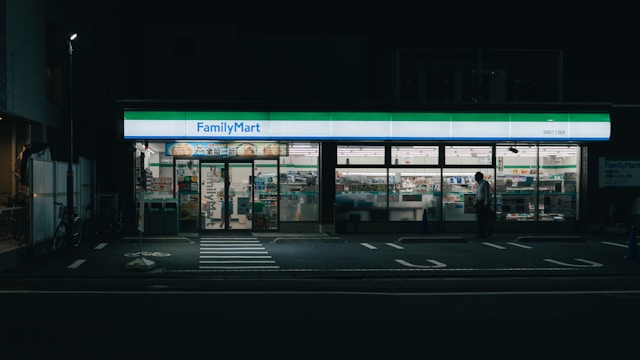
Imagine that you are shopping or eating at a restaurant in Japan.
You see a price written as 1,000円, hear a cashier say 千円です, and then your friend asks:
現金で払う? それともカード?
Genkin de harau? Soretomo kādo?
Are you paying in cash or by card?
Once you connect each word with its role, the system becomes much easier!
お金 (okane) — money
円 (en) — yen, the Japanese currency unit
現金 (genkin) — cash
値段 (nedan) — price
高い (takai) — expensive; high; tall
安い (yasui) — cheap; inexpensive
払う (harau) — to pay
お会計 (okaikei) — the bill/check; checkout
お釣り (otsuri) — change returned after payment
割り勘 (warikan) — splitting the bill
In this guide, you will learn:
② why Japanese says en while English says yen
③ the difference between お金 and 現金
④ words for prices, costs, fees, and payments
⑤ how to say expensive and cheap
⑥ vocabulary for coins, banknotes, wallets, and change
⑦ useful shopping, restaurant, and ATM phrases
⑧ how to talk about splitting a bill in Japan
- 1 10 Essential Japanese Money Words for Beginners
- 2 お金 (Okane): The General Japanese Word for “Money”
- 3 円 (En): The Japanese Currency Unit
- 4 円, ¥, and JPY: Three Ways to Show Japanese Currency
- 5 お金 vs 現金: “Money” vs “Cash”
- 6 現金・硬貨・紙幣: Cash, Coins, and Banknotes
- 7 値段 (Nedan): The General Word for “Price”
- 8 高い and 安い: “Expensive” and “Cheap”
- 9 How to Say “Too Expensive” in Japanese
- 10 いくら (Ikura): “How Much?”
- 11 払う (Harau): “To Pay”
- 12 Payment Methods in Japanese
- 13 お会計 (Okaikei): The Bill, Check, or Checkout
- 14 会計, 料金, 代金, 費用, and 金額
- 15 税込 and 税抜: Tax-Included and Before Tax
- 16 割引, セール, and クーポン: Discounts and Sales
- 17 お釣り (Otsuri): Change Returned After Payment
- 18 両替 (Ryōgae): Exchanging Money
- 19 ATM and Bank Vocabulary
- 20 割り勘 (Warikan): Splitting the Bill
- 21 おごる and ごちそうする: Treating Someone
- 22 Useful Shopping Phrases in Japanese
- 23 Useful Restaurant Payment Phrases
- 24 Common Japanese Money Collocations
- 25 Money-Related Words Seen in Anime and Casual Japanese
- 26 Common Beginner Mistakes with Japanese Money Vocabulary
- 26.1 Mistake 1: Saying Yen Inside a Japanese Sentence
- 26.2 Mistake 2: Using お金 When You Mean Cash
- 26.3 Mistake 3: Asking for the Check with お金をください
- 26.4 Mistake 4: Assuming 高い Only Means Expensive
- 26.5 Mistake 5: Confusing 割り勘 with Separate Checks
- 26.6 Mistake 6: Saying 現金であります
- 26.7 Mistake 7: Using 高いでした for “Was Expensive”
- 27 Mini Dialogue: Shopping in Japan
- 28 Mini Dialogue: Paying at a Restaurant
- 29 Natural Example Sentences
- 30 FAQ About Japanese Money Words
- 30.1 What is the Japanese word for money?
- 30.2 What is the Japanese word for yen?
- 30.3 What is the difference between okane and en?
- 30.4 What is the difference between okane and genkin?
- 30.5 How do you ask “How much is this?” in Japanese?
- 30.6 How do you say expensive in Japanese?
- 30.7 How do you say cheap in Japanese?
- 30.8 How do you say “Can I pay by card?” in Japanese?
- 30.9 How do you ask for the check in Japanese?
- 30.10 What does warikan mean?
- 30.11 How do you ask for separate checks?
- 30.12 What is the Japanese word for change?
- 30.13 What does zeikomi mean?
- 30.14 What is the difference between nedan and ryōkin?
- 30.15 How do you say “I have no cash” in Japanese?
- 31 Summary: Essential Japanese Money and Currency Vocabulary
- 32 Detailed Guides in This Money Vocabulary Series
10 Essential Japanese Money Words for Beginners
money in general
2. 円 (en)
yen; the unit used to state Japanese prices
3. 現金 (genkin)
cash
4. 値段 (nedan)
price
5. 高い (takai)
expensive; high; tall
6. 安い (yasui)
cheap; inexpensive
7. 払う (harau)
to pay
8. お会計 (okaikei)
the bill/check; the payment or checkout process
9. お釣り (otsuri)
change returned to a customer
10. 割り勘 (warikan)
splitting a bill or shared expense
お金 — money
円 — yen
現金 — cash
払う — pay
Those four words already explain many real payment situations.
お金 (Okane): The General Japanese Word for “Money”
Hiragana: おかね
Romaji: okane
Meaning: money, funds, financial resources
お金 is the broad everyday word for money. It can refer to cash, money in a bank account, savings, funds needed for something, or wealth in general.
お金があります。
Okane ga arimasu.
I have money.
旅行のためにお金を貯めています。
Ryokō no tame ni okane o tamete imasu.
I am saving money for a trip.
In this word, it mainly functions as a beautifying prefix. You should translate お金 simply as “money,” not “honorable money.”
Bare 金 (kane) can also mean money, but it may sound more direct, rough, economic, or idiomatic.
Do you have money?
⇒ neutral and standard
金を出せ。
Hand over the money.
⇒ rough and forceful
Learn more: What Does お金 (Okane) Mean in Japanese?
円 (En): The Japanese Currency Unit
Hiragana: えん
Japanese pronunciation: en
English name: yen
Use 円 after a number to state an amount of Japanese currency.
100円 — ひゃくえん — hyaku-en
500円 — ごひゃくえん — gohyaku-en
1,000円 — せんえん — sen-en
10,000円 — いちまんえん — ichiman-en
Yen is the established English and international name for the same currency.
The exact historical reason for the Y is not conclusively known, so it is better to remember the practical rule.
百円です。
Hyaku en desu.
English sentence
It is one hundred yen.
Learn more: Why Is Yen Called “En” in Japanese? Yen vs En Explained
円, ¥, and JPY: Three Ways to Show Japanese Currency
Japanese writing
¥100
Currency-symbol notation
JPY 100
International currency-code notation
You often see it in banking, exchange rates, travel websites, and financial systems.
お金 vs 現金: “Money” vs “Cash”
money in general
現金 (genkin)
cash specifically
お金がありません。
Okane ga arimasen.
I do not have any money.
現金を持っていません。
Genkin o motte imasen.
I do not have any cash with me.
現金を持っていません。カードは使えますか?
“I don’t have cash. Can I use a card?”
Saying お金がありません can sound like you have no money at all.
現金・硬貨・紙幣: Cash, Coins, and Banknotes
硬貨 (kōka) — coin; coins as a category
小銭 (kozeni) — small change; loose coins
紙幣 (shihei) — banknote
お札 (osatsu) — banknote; bill, in everyday speech
財布 (saifu) — wallet
貯金 (chokin) — savings; saving money
小銭はありますか?
Kozeni wa arimasu ka?
Do you have any change/coins?
一万円札しかありません。
Ichiman-en satsu shika arimasen.
I only have a 10,000-yen bill.
小銭 is the everyday idea of loose coins or small change in your wallet.
値段 (Nedan): The General Word for “Price”
Hiragana: ねだん
Romaji: nedan
Meaning: price
値段はいくらですか?
Nedan wa ikura desu ka?
What is the price?
この商品の値段は三千円です。
Kono shōhin no nedan wa sanzen-en desu.
The price of this product is 3,000 yen.
In an actual shop, the simpler sentence これはいくらですか? is usually more natural than explicitly saying 値段.
To ask a price, say:
これはいくらですか?
“How much is this?”
高い and 安い: “Expensive” and “Cheap”
expensive; high; tall
安い (yasui)
cheap; inexpensive
この時計は高いです。
Kono tokei wa takai desu.
This watch is expensive.
この店は安いです。
Kono mise wa yasui desu.
This store/restaurant is inexpensive.
A building can be physically high. A person’s height can be high. A price can be high.
The English translation changes according to what is being measured.
背が高い — to be tall
値段が高い — the price is high; expensive
気温が高い — the temperature is high
Learn more: What Does 高い (Takai) Mean? “Expensive,” “Tall,” and “High”
How to Say “Too Expensive” in Japanese
It is too expensive.
ちょっと高いですね。
It is a little expensive, isn’t it?
私には少し高いです。
It is a little expensive for me.
少し予算を超えています。
It is a little over my budget.
ちょっと高いですね sounds softer.
いくら (Ikura): “How Much?”
how much; what amount
これはいくらですか?
Kore wa ikura desu ka?
How much is this?
全部でいくらですか?
Zenbu de ikura desu ka?
How much is it altogether?
一人いくらですか?
Hitori ikura desu ka?
How much is it per person?
これはいくらですか? normally means “How much is this?”
At a sushi restaurant, イクラ written in katakana can refer to salmon roe.
払う (Harau): “To Pay”
Hiragana: はらう
Romaji: harau
Meaning: to pay
現金で払います。
Genkin de haraimasu.
I will pay in cash.
カードで払えますか?
Kādo de haraemasu ka?
Can I pay by card?
私が払います。
Watashi ga haraimasu.
I’ll pay.
現金で = by means of cash
カードで = by card
電子マネーで = by electronic money
Payment Methods in Japanese
クレジットカード (kurejitto kādo) — credit card
デビットカード (debitto kādo) — debit card
電子マネー (denshi manē) — electronic money
交通系ICカード (kōtsūkei ai-shī kādo) — transit IC card
QRコード決済 (kyū-āru kōdo kessai) — QR-code payment
銀行振込 (ginkō furikomi) — bank transfer
送金 (sōkin) — money transfer; remittance
カードは使えますか?
Kādo wa tsukaemasu ka?
Can I use a card?
現金だけですか?
Genkin dake desu ka?
Is it cash only?
タッチ決済は使えますか?
Tatchi kessai wa tsukaemasu ka?
Can I use contactless payment?
お会計 (Okaikei): The Bill, Check, or Checkout
Hiragana: おかいけい
Romaji: okaikei
Meaning: the bill/check; checkout; settling the account
お会計をお願いします。
Okaikei o onegaishimasu.
The check, please.
お会計はレジでお願いします。
Okaikei wa reji de onegaishimasu.
Please pay at the register.
At a restaurant, say お会計をお願いします.
会計, 料金, 代金, 費用, and 金額
English often uses price, cost, fee, or amount. Japanese chooses a more specific noun.
the bill/account; checkout; accounting
料金 (ryōkin)
a fee or charge for a service
代金 (daikin)
the amount paid for goods or a service
費用 (hiyō)
cost or expense needed for an activity or purpose
金額 (kingaku)
a monetary amount; sum of money
値段 (nedan)
the price of an item
電気料金 — electricity charge
商品代金 — payment for goods
旅行費用 — travel expenses
合計金額 — total monetary amount
商品の値段 — the product’s price
値段 = price of an item
料金 = service fee
費用 = expense for a purpose
金額 = numerical amount of money
税込 and 税抜: Tax-Included and Before Tax
tax included
税抜 (zeinuki)
tax excluded; before tax
消費税 (shōhizei)
consumption tax
この値段は税込ですか?
Kono nedan wa zeikomi desu ka?
Does this price include tax?
表示価格は税抜です。
Hyōji kakaku wa zeinuki desu.
The displayed price is before tax.
税込 means that tax is already included in the amount.
割引, セール, and クーポン: Discounts and Sales
値引き (nebiki) — price reduction
セール (sēru) — sale
クーポン (kūpon) — coupon
半額 (hangaku) — half price
無料 (muryō) — free of charge
有料 (yūryō) — paid; requiring a fee
この商品は二割引です。
Kono shōhin wa niwari-biki desu.
This product is 20% off.
クーポンは使えますか?
Kūpon wa tsukaemasu ka?
Can I use a coupon?
入場は無料です。
Nyūjō wa muryō desu.
Admission is free.
お釣り (Otsuri): Change Returned After Payment
Hiragana: おつり
Romaji: otsuri
Meaning: change returned after paying
お釣りは五百円です。
Otsuri wa gohyaku en desu.
Your change is 500 yen.
お釣りを受け取りました。
Otsuri o uketorimashita.
I received my change.
お釣り is the money returned after payment.
小銭 means loose coins or small change generally.
両替 (Ryōgae): Exchanging Money
Hiragana: りょうがえ
Romaji: ryōgae
Meaning: money exchange; changing denominations
ドルを円に両替したいです。
Doru o en ni ryōgae shitai desu.
I would like to exchange dollars for yen.
一万円札を千円札に両替できますか?
Ichiman-en satsu o sen-en satsu ni ryōgae dekimasu ka?
Can you change a 10,000-yen bill into 1,000-yen bills?
ATM and Bank Vocabulary
口座 (kōza) — bank account
残高 (zandaka) — account balance
預金 (yokin) — bank deposit; money in an account
貯金 (chokin) — savings
引き出す (hikidasu) — to withdraw
預ける (azukeru) — to deposit; entrust
振り込む (furikomu) — to transfer money into an account
手数料 (tesūryō) — handling fee; service charge
暗証番号 (anshō bangō) — PIN
ATMでお金を下ろしました。
Ē-tī-emu de okane o oroshimashita.
I withdrew money from an ATM.
残高を確認したいです。
Zandaka o kakunin shitai desu.
I would like to check my balance.
手数料はいくらですか?
Tesūryō wa ikura desu ka?
How much is the fee?
下ろす is very common in everyday conversation.
引き出す is also standard and connects directly with the formal noun 引き出し, withdrawal.
割り勘 (Warikan): Splitting the Bill
Hiragana: わりかん
Romaji: warikan
Meaning: splitting a bill or shared expense
今日は割り勘にしよう。
Kyō wa warikan ni shiyō.
Let’s split the bill today.
一人三千円でいい?
Hitori sanzen-en de ii?
Is 3,000 yen per person okay?
In real life, groups may also adjust the amounts or have each person pay for what they ordered.
When the calculation matters, clarify the method.
割り勘 vs 別会計
How the group shares the total cost.
別会計
The restaurant processes separate transactions or checks.
別々に払えますか?
Betsubetsu ni haraemasu ka?
Can we pay separately?
Learn more: What Does 割り勘 (Warikan) Mean? Splitting the Bill in Japan
おごる and ごちそうする: Treating Someone
to treat someone; pay for another person
ごちそうする (gochisō suru)
to treat someone to a meal
今日は私がおごるよ。
Kyō wa watashi ga ogoru yo.
I’ll treat you today.
先輩がごちそうしてくれました。
Senpai ga gochisō shite kuremashita.
My senior treated me to the meal.
ごちそうさまでした。ありがとうございます。
“Thank you for the meal/treat.”
With a friend, you can also add 次は私が払うね—“I’ll pay next time.”
Useful Shopping Phrases in Japanese
How much is this?
もう少し安い物はありますか?
Do you have anything a little cheaper?
これをください。
I’ll take this one.
カードは使えますか?
Can I use a card?
現金だけですか?
Is it cash only?
税込ですか?
Is tax included?
クーポンは使えますか?
Can I use a coupon?
袋は要りません。
I do not need a bag.
レシートをください。
Please give me a receipt.
Useful Restaurant Payment Phrases
The check, please.
まとめて払います。
We’ll pay together / I’ll pay the total.
別々に払えますか?
Can we pay separately?
割り勘にしよう。
Let’s split the bill.
いくら払えばいい?
How much should I pay?
今日は私が払います。
I’ll pay today.
領収書をお願いします。
A receipt suitable for expenses, please.
A 領収書 is a formal proof of payment often requested for business expenses or recordkeeping.
Common Japanese Money Collocations
お金を貯める — save money
お金を稼ぐ — earn money
お金を払う — pay money
お金を借りる — borrow money
お金を貸す — lend money
お金がかかる — cost money
お金を下ろす — withdraw money
お金を振り込む — transfer money into an account
お金を返す — repay money
この趣味はお金がかかります。
Kono shumi wa okane ga kakarimasu.
This hobby costs money.
友達に借りたお金を返しました。
Tomodachi ni karita okane o kaeshimashita.
I repaid the money I borrowed from my friend.
借りる — money comes to you
貸す — money goes from you to another person
Money-Related Words Seen in Anime and Casual Japanese
I’m broke! / I have no money!
高っ!
That’s expensive!
金を出せ!
Hand over the money!
Rough and threatening.
今日は俺がおごる。
I’m treating today.
割り勘でしょ?
We’re splitting it, right?
一円も持ってない。
I don’t have even one yen.
金持ちになりたい。
I want to be rich.
The full impression also comes from the verb, sentence ending, voice, and situation.
Common Beginner Mistakes with Japanese Money Vocabulary
Mistake 1: Saying Yen Inside a Japanese Sentence
○ 百円です。
Hyaku en desu.
It is 100 yen.
Mistake 2: Using お金 When You Mean Cash
I have no money.
現金を持っていません。
I do not have cash with me.
Mistake 3: Asking for the Check with お金をください
お金をください means “Please give me money.” Use お会計をお願いします.
Mistake 4: Assuming 高い Only Means Expensive
高い also means high or tall. Look at the noun being described.
Mistake 5: Confusing 割り勘 with Separate Checks
割り勘 explains how people share a cost. 別会計 means the restaurant processes separate payments.
Mistake 6: Saying 現金であります
To say that you will pay in cash, use 現金で払います.
Mistake 7: Using 高いでした for “Was Expensive”
○ 高かったです
Mini Dialogue: Shopping in Japan
すみません。これはいくらですか?
Sumimasen. Kore wa ikura desu ka?
Excuse me. How much is this?
Clerk:
税込で三千三百円です。
Zeikomi de sanzen-sanbyaku en desu.
It is 3,300 yen including tax.
Customer:
カードは使えますか?
Kādo wa tsukaemasu ka?
Can I use a card?
Clerk:
はい、使えます。
Hai, tsukaemasu.
Yes, you can.
Customer:
では、これをください。
Dewa, kore o kudasai.
Then I’ll take this.
Mini Dialogue: Paying at a Restaurant
お会計をお願いします。
Okaikei o onegaishimasu.
The check, please.
Staff:
合計で八千円です。
Gōkei de hassen-en desu.
The total is 8,000 yen.
Customer A:
割り勘にしようか。
Warikan ni shiyō ka.
Shall we split it?
Customer B:
うん。一人四千円だね。
Un. Hitori yonsen-en da ne.
Yeah. That’s 4,000 yen each.
Customer A to staff:
別々に払えますか?
Betsubetsu ni haraemasu ka?
Can we pay separately?
Natural Example Sentences
財布に現金が入っていません。
Saifu ni genkin ga haitte imasen.
There is no cash in my wallet.
この商品の値段はいくらですか?
Kono shōhin no nedan wa ikura desu ka?
How much is this product?
もう少し安いホテルを探しています。
Mō sukoshi yasui hoteru o sagashite imasu.
I am looking for a slightly cheaper hotel.
東京は家賃が高いです。
Tōkyō wa yachin ga takai desu.
Rent is expensive in Tokyo.
この料金には税金が含まれています。
Kono ryōkin ni wa zeikin ga fukumarete imasu.
Tax is included in this fee.
現金で払ってもいいですか?
Genkin de haratte mo ii desu ka?
May I pay in cash?
お釣りを確認してください。
Otsuri o kakunin shite kudasai.
Please check your change.
手数料がかかります。
Tesūryō ga kakarimasu.
A fee will be charged.
旅行の費用を二人で分けました。
Ryokō no hiyō o futari de wakemashita.
The two of us shared the travel expenses.
昨日の食事は割り勘でした。
Kinō no shokuji wa warikan deshita.
We split the bill for yesterday’s meal.
先輩が全部払ってくれました。
Senpai ga zenbu haratte kuremashita.
My senior paid for everything.
銀行でドルを円に両替しました。
Ginkō de doru o en ni ryōgae shimashita.
I exchanged dollars for yen at a bank.
FAQ About Japanese Money Words
What is the Japanese word for money?
The most common general word is お金 (okane).
What is the Japanese word for yen?
The currency unit is written 円 and pronounced en in Japanese. Yen is the established English name.
What is the difference between okane and en?
お金 means money in general. 円 is the unit used to state a Japanese currency amount.
What is the difference between okane and genkin?
お金 means money generally, while 現金 means cash.
How do you ask “How much is this?” in Japanese?
Say これはいくらですか?
How do you say expensive in Japanese?
Say 高い (takai). It can also mean high or tall, depending on context.
How do you say cheap in Japanese?
Say 安い (yasui).
How do you say “Can I pay by card?” in Japanese?
Say カードで払えますか? or カードは使えますか?
How do you ask for the check in Japanese?
Say お会計をお願いします.
What does warikan mean?
割り勘 means splitting a bill or shared expense so each person pays a share.
How do you ask for separate checks?
Say 別々に払えますか? or 別会計でお願いします.
What is the Japanese word for change?
お釣り means money returned after a payment. 小銭 means loose coins or small change more generally.
What does zeikomi mean?
税込 means tax included.
What is the difference between nedan and ryōkin?
値段 is usually the price of an item. 料金 is usually a fee or charge for a service.
How do you say “I have no cash” in Japanese?
Say 現金を持っていません.
Summary: Essential Japanese Money and Currency Vocabulary
お金 — money
● Japanese currency unit
円 — en in Japanese; yen in English
● Cash and physical money
現金 — cash
硬貨 — coins
小銭 — loose coins
紙幣 / お札 — banknotes
● Prices and costs
値段 — price
料金 — service fee
費用 — expense
金額 — monetary amount
● Price adjectives
高い — expensive
安い — cheap
● Payment
払う — pay
お会計 — bill/check or checkout
お釣り — change returned
● Sharing a bill
割り勘 — split the bill
別会計 — separate transactions/checks
おごる — treat someone
● Useful questions
これはいくらですか? — How much is this?
カードは使えますか? — Can I use a card?
お会計をお願いします。 — The check, please.
別々に払えますか? — Can we pay separately?
First ask what you mean:
money, cash, a price, a fee, a bill, change, or a currency amount?
Choosing the role first will lead you to the correct Japanese word.