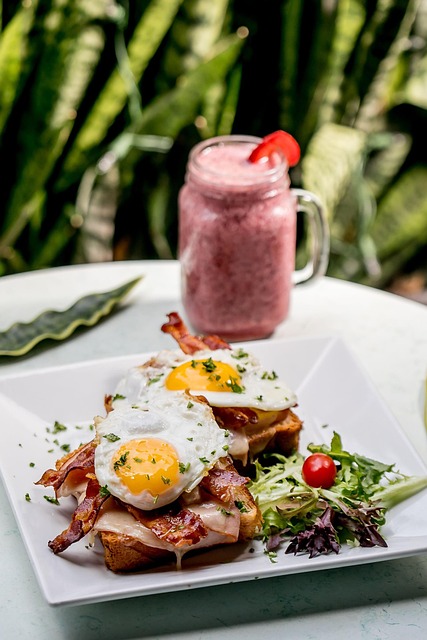

Hello, I’m Kodak.
You try a Japanese dish and want to describe it—but the only word you know is おいしい (oishii).
Japanese describes not only taste, but also aroma, richness, temperature, moisture, firmness, stickiness, and the exact sensation you feel while chewing.
甘い (amai) — sweet
辛い (karai) — spicy or pungent
酸っぱい (suppai) — sour
苦い (nigai) — bitter
しょっぱい (shoppai) — salty
うま味がある (umami ga aru) — savory; rich in umami
渋い (shibui) — astringent or puckery
もちもち — soft, elastic, pleasantly chewy
ふわふわ — light and fluffy
サクサク — light and crispy
カリカリ — hard and crisp
パリパリ — thin and crisp
ぷりぷり — firm, plump, and springy
とろとろ — thick, melting, or runny-soft
ねばねば — sticky, slimy, or stringy
This article will help you choose the right word, combine taste and texture naturally, and talk about food in restaurants, cafés, homes, and online reviews.
- 1 How Do You Say “Taste” in Japanese?
- 2 Basic Japanese Words for Taste
- 3 Is Spicy One of the Basic Tastes?
- 4 How to Say “Delicious” and “Not Delicious” in Japanese
- 5 How to Describe Flavor Strength and Richness
- 6 How to Describe Aroma and Flavor Character
- 7 What Does “Texture” Mean in Japanese?
- 8 Japanese Food Texture Words
- 8.1 1. もちもち: Soft, Elastic, and Pleasantly Chewy
- 8.2 2. ふわふわ: Light and Fluffy
- 8.3 3. サクサク: Light and Crispy
- 8.4 4. カリカリ: Hard and Crisp
- 8.5 5. パリパリ: Thin, Dry, and Crisp
- 8.6 6. ぷりぷり: Firm, Plump, and Bouncy
- 8.7 7. とろとろ: Thick, Melting, or Runny-Soft
- 8.8 8. ねばねば: Sticky, Slimy, and Stringy
- 8.9 9. しっとり: Moist and Soft
- 8.10 10. ほくほく: Hot, Soft, and Floury
- 8.11 11. コリコリ: Firm and Crunchy-Chewy
- 8.12 12. コシがある: Firm with Good Bite
- 9 Japanese Texture Words at a Glance
- 10 How to Combine Taste and Texture Words
- 11 How to Give a Polite Opinion About Food
- 12 Useful Restaurant Questions in Japanese
- 13 Common Beginner Mistakes
- 14 Natural Example Sentences About Taste and Texture
- 15 FAQ About Japanese Taste and Texture Words
- 15.1 How do you describe taste in Japanese?
- 15.2 What are the main Japanese words for taste?
- 15.3 How do you say “What does it taste like?” in Japanese?
- 15.4 How do you say “texture” in Japanese?
- 15.5 What are common Japanese food texture words?
- 15.6 What is the difference between taste and texture in Japanese?
- 15.7 What is the difference between karai and atsui?
- 15.8 What is the difference between nigai and shibui?
- 15.9 What does mochi mochi mean?
- 15.10 How do you politely say food is too salty or spicy?
- 15.11 What is the difference between oishii and umai?
- 15.12 What does aji ga koi mean?
- 16 Summary: How to Describe Taste and Texture in Japanese
- 17 Detailed Guides in This Series
- 18 References
How Do You Say “Taste” in Japanese?
Reading: あじ
Romaji: aji
Meaning: taste; flavor
どんな味ですか。
Donna aji desu ka?
What does it taste like?
不思議な味がする。
Fushigi na aji ga suru.
It has an unusual taste.
味が濃い。
Aji ga koi.
The flavor is strong.
甘い味がする — it tastes sweet
いい匂いがする — it smells good
変な音がする — I hear a strange sound
Five Useful Sentence Patterns for Describing Food
このケーキは甘いです。
This cake is sweet.
2. [Taste] 味がします。
レモンの味がします。
It tastes like lemon.
3. [Quality] が強い / 弱いです。
酸味が強いです。
The sourness is strong.
4. [Adjective] すぎます。
少し辛すぎます。
It is a little too spicy.
5. [Texture word] しています。
麺がもちもちしています。
The noodles are soft and pleasantly chewy.
これは甘いです。 — This is sweet.
これはもちもちしています。 — This is soft and chewy.
The first works well with taste adjectives. The second works naturally with many Japanese texture words.
Basic Japanese Words for Taste
1. 甘い (Amai): Sweet
Reading: あまい
Romaji: amai
Main food meaning: sweet; sugary; sometimes mild
このいちごは甘い。
Kono ichigo wa amai.
These strawberries are sweet.
甘いものが好きです。
Amai mono ga suki desu.
I like sweets.
甘い can also mean naive, lenient, overly optimistic, or insufficiently strict.
a sweet cake
甘い考え
a naive or overly optimistic idea
自分に甘い
to be too easy on oneself
Read the full guide: Amai Meaning—“Sweet,” “Naive,” or “Lenient”?
2. 辛い (Karai): Spicy, Hot, or Pungent
Reading: からい
Romaji: karai
Main food meaning: spicy, hot, or pungent
このラーメンは辛い。
Kono rāmen wa karai.
This ramen is spicy.
辛いものは食べられません。
Karai mono wa taberaremasen.
I cannot eat spicy food.
The same kanji 辛い can also be read つらい (tsurai), meaning painful, distressing, or hard to endure.
Karē ga karai.
The curry is spicy.
仕事が辛い。
Shigoto ga tsurai.
The work is painful or exhausting.
辛い — spicy
熱い — hot in temperature
A soup can be 熱くて辛い: hot and spicy.
Read the full guide: Karai Meaning—Spicy or Painful? 辛い vs つらい
3. 酸っぱい (Suppai): Sour or Tart
Reading: すっぱい
Romaji: suppai
Meaning: sour; tart; acidic-tasting
レモンは酸っぱい。
Remon wa suppai.
Lemons are sour.
このヨーグルトは少し酸っぱい。
Kono yōguruto wa sukoshi suppai.
This yogurt is slightly tart.
Lemon, vinegar, yogurt, and pickles can naturally be sour without being bad.
4. 苦い (Nigai): Bitter
Reading: にがい
Romaji: nigai
Meaning: bitter
ブラックコーヒーは苦い。
Burakku kōhī wa nigai.
Black coffee is bitter.
この薬はとても苦い。
Kono kusuri wa totemo nigai.
This medicine is very bitter.
苦い can also describe an unpleasant or painful memory.
苦い経験になった。
Nigai keiken ni natta.
It became a bitter experience.
5. しょっぱい / 塩辛い: Salty
salty; common in everyday speech
塩辛い (shiokarai)
salty; literally “strong in salt”; more explicit
このスープはしょっぱい。
Kono sūpu wa shoppai.
This soup is salty.
塩を入れすぎて、塩辛くなった。
Shio o iresugite, shiokaraku natta.
I added too much salt, and it became too salty.
Most listeners will first understand plain 辛い as spicy.
6. うま味がある (Umami ga Aru): Savory and Rich in Umami
うま味 is the savory taste associated with ingredients and dishes such as kombu, dried mushrooms, bonito stock, meat, cheese, and fermented foods.
has umami; has a savory depth
うま味が強い
has strong umami
うま味を引き出す
bring out the umami
うま味が増す
the umami increases
昆布からうま味が出る。
Konbu kara umami ga deru.
Umami comes out of the kombu.
きのこのうま味がスープに溶け込んでいる。
Kinoko no umami ga sūpu ni tokekonde iru.
The mushrooms’ savory flavor has blended into the soup.
うま味 is a noun meaning savory taste or umami.
うまい is a casual adjective meaning tasty, delicious, or skillful.
7. 渋い (Shibui): Astringent or Puckery
Reading: しぶい
Romaji: shibui
Food meaning: astringent; dry and mouth-puckering
この柿は渋い。
Kono kaki wa shibui.
This persimmon is astringent.
お茶を入れすぎて渋くなった。
Ocha o iresugite shibuku natta.
The tea became astringent because I steeped it too long.
渋い also has an important aesthetic meaning: understated, sober, mature, refined, and quietly cool.
astringent tea
渋い色
a subdued, tasteful color
渋い俳優
an actor with mature, understated appeal
苦い describes bitterness.
渋い describes the dry, tightening, puckering sensation called astringency.
Strong tea can be both bitter and astringent.
Read the full guide: Shibui Meaning—Astringent Taste and Understated Beauty
Is Spicy One of the Basic Tastes?
In everyday conversation, 辛い belongs in any practical list of taste words. However, spicy heat is technically a pain-and-temperature sensation rather than one of the basic tastes detected in the same way as sweetness, sourness, saltiness, bitterness, and umami.
At a restaurant, 辛いですか is still one of the most useful questions you can learn.
How to Say “Delicious” and “Not Delicious” in Japanese
おいしい (Oishii): Delicious
この料理はおいしいです。
Kono ryōri wa oishii desu.
This dish is delicious.
うまい (Umai): Tasty or Really Good
うまい is common, casual, and energetic. It can also mean “skillful,” so context matters.
このラーメン、うまい!
Kono rāmen, umai!
This ramen is really good!
まずい (Mazui): Bad-Tasting
まずい means unpleasant-tasting or bad. It can sound blunt when someone cooked the food for you.
この牛乳、ちょっとまずいかも。
Kono gyūnyū, chotto mazui kamo.
This milk may taste a little bad.
ちょっと苦手です。 — It is not really my thing.
私には少し辛いです。 — It is a little spicy for me.
お腹がいっぱいです。 — I am full.
Other Useful Evaluations
絶品です。 — It is exquisite.
まあまあです。 — It is okay / not bad.
普通です。 — It is ordinary.
好みの味です。 — It is the kind of flavor I like.
癖になる味です。 — It has an addictive flavor.
How to Describe Flavor Strength and Richness
味が濃い vs 味が薄い
strongly flavored; concentrated; heavily seasoned
味が薄い (aji ga usui)
lightly flavored; weakly seasoned; bland
このスープは味が濃い。
Kono sūpu wa aji ga koi.
This soup has a strong flavor.
もう少し味が濃くてもいい。
Mō sukoshi aji ga kokute mo ii.
It could be seasoned a little more strongly.
薄味が好きです means “I like lightly seasoned food.”
あっさり vs こってり
light, clean, refreshing, and not greasy or heavy
こってり
rich, thick, fatty, strongly flavored, or heavy
朝はあっさりしたものが食べたい。
Asa wa assari shita mono ga tabetai.
I want something light in the morning.
こってりした豚骨ラーメンが好きだ。
Kotteri shita tonkotsu rāmen ga suki da.
I like rich, heavy tonkotsu ramen.
まろやか: Smooth, Mellow, and Rounded
このスープはまろやかな味です。
Kono sūpu wa maroyaka na aji desu.
This soup has a mellow, rounded flavor.
さっぱり: Light, Refreshing, and Clean
レモンの風味でさっぱりしている。
Remon no fūmi de sappari shite iru.
The lemon gives it a light, refreshing flavor.
くどい / しつこい: Too Heavy or Cloying
These words can describe a flavor that is overly rich, sweet, oily, or persistent.
少し甘すぎて、味がくどい。
Sukoshi amasugite, aji ga kudoi.
It is a little too sweet and cloying.
How to Describe Aroma and Flavor Character
香ばしい — fragrant in a toasted, roasted, or nutty way
風味がある — has a distinctive flavor and aroma
風味が豊か — rich in flavor and aroma
癖がある — has a distinctive, strong, or acquired flavor
生臭い — fishy or raw-smelling
焦げ臭い — smells burnt
焼いたごまが香ばしい。
Yaita goma ga kōbashii.
The toasted sesame has a wonderful roasted aroma.
このチーズは少し癖がある。
Kono chīzu wa sukoshi kuse ga aru.
This cheese has a distinctive strong flavor.
A speaker may dislike it—or may love it precisely because it has character.
What Does “Texture” Mean in Japanese?
Reading: しょっかん
Romaji: shokkan
Meaning: food texture; the sensation in the mouth while eating
この料理は食感が面白い。
Kono ryōri wa shokkan ga omoshiroi.
This dish has an interesting texture.
どんな食感ですか。
Donna shokkan desu ka?
What kind of texture does it have?
食感 is the physical feeling: crispy, fluffy, sticky, chewy, smooth, or firm.
A food can taste sweet but have a crunchy texture.
Japanese Food Texture Words
1. もちもち: Soft, Elastic, and Pleasantly Chewy
soft, moist, elastic, slightly sticky, and pleasantly chewy
Common foods:
mochi, bread, udon, pasta, rice, dango, doughnuts, pancakes, and tapioca
このパンはもちもちしている。
Kono pan wa mochi mochi shite iru.
This bread is soft, springy, and chewy.
The food does not necessarily contain mochi. The word describes a mochi-like texture.
“Soft and chewy” or “springy and chewy” is more precise.
Read the full guide: Mochi Mochi Meaning—The Soft, Chewy Texture Explained
2. ふわふわ: Light and Fluffy
light, soft, airy, and fluffy
Common foods:
bread, sponge cake, pancakes, omelets, whipped cream, and shaved ice
このパンケーキはふわふわだ。
Kono pankēki wa fuwa fuwa da.
These pancakes are light and fluffy.
3. サクサク: Light and Crispy
light, dry, pleasantly crisp, and easy to bite through
Common foods:
tempura, cookies, pies, croissants, and fried coatings
天ぷらの衣がサクサクしている。
Tenpura no koromo ga saku saku shite iru.
The tempura coating is light and crispy.
4. カリカリ: Hard and Crisp
harder and drier crispness than サクサク
Common foods:
bacon, toast edges, fried garlic, nuts, and over-baked surfaces
ベーコンをカリカリに焼く。
Bēkon o kari kari ni yaku.
Cook the bacon until crisp.
サクサク is lighter and more delicate.
カリカリ is harder, drier, and produces a sharper crunch.
5. パリパリ: Thin, Dry, and Crisp
thin, brittle, and crisp; often makes a snapping sound
Common foods:
nori, thin crackers, spring-roll wrappers, chicken skin, and fresh lettuce
海苔がパリパリしている。
Nori ga pari pari shite iru.
The nori is crisp.
6. ぷりぷり: Firm, Plump, and Bouncy
firm, plump, fresh, and springy
Common foods:
shrimp, squid, fish, sausages, and firm jelly
エビがぷりぷりしている。
Ebi ga puri puri shite iru.
The shrimp is firm, plump, and springy.
7. とろとろ: Thick, Melting, or Runny-Soft
thick and flowing; melted; very soft; creamy; runny
Common foods:
melted cheese, soft eggs, stewed meat, curry, custard, and thick sauces
卵がとろとろだ。
Tamago ga toro toro da.
The egg is soft and runny.
肉をとろとろになるまで煮込む。
Niku o toro toro ni naru made nikomu.
Simmer the meat until it becomes meltingly tender.
8. ねばねば: Sticky, Slimy, and Stringy
sticky, slimy, gooey, or stringy
Common foods:
natto, okra, grated yam, mekabu seaweed, and fermented foods
納豆はねばねばしている。
Nattō wa neba neba shite iru.
Natto is sticky and stringy.
もちもち highlights pleasant elasticity and chewiness.
ねばねば highlights visible stickiness, strings, slime, or goo.
9. しっとり: Moist and Soft
moist, soft, and pleasantly hydrated rather than dry
Common foods:
cakes, bread, chicken breast, cooked fish, and desserts
このケーキはしっとりしている。
Kono kēki wa shittori shite iru.
This cake is moist.
10. ほくほく: Hot, Soft, and Floury
steaming hot, soft, dry-fluffy, and pleasantly floury inside
Common foods:
potatoes, sweet potatoes, chestnuts, pumpkin, and croquettes
焼き芋がほくほくしている。
Yakiimo ga hoku hoku shite iru.
The roasted sweet potato is hot, soft, and fluffy inside.
11. コリコリ: Firm and Crunchy-Chewy
firm, cartilage-like, and pleasantly crunchy-chewy
Common foods:
cartilage, jellyfish, some shellfish, mushrooms, and seaweed stems
クラゲのコリコリした食感が好きだ。
Kurage no kori kori shita shokkan ga suki da.
I like the firm, crunchy texture of jellyfish.
12. コシがある: Firm with Good Bite
コシがある is especially important for noodles. It means they have firm body, resilience, and satisfying resistance.
このうどんはコシがある。
Kono udon wa koshi ga aru.
These udon noodles have a firm, satisfying bite.
Japanese Texture Words at a Glance
ふわふわ — light and fluffy
サクサク — light and crispy
カリカリ — hard and crisp
パリパリ — thin and brittle-crisp
ぷりぷり — plump and springy
とろとろ — melted, runny, or meltingly soft
ねばねば — sticky and stringy
しっとり — moist and soft
ほくほく — hot and fluffy-floury
コリコリ — firm and crunchy-chewy
コシがある — firm and resilient
A tempura coating, bacon strip, sheet of nori, sponge cake, and udon noodle are all “good textures,” but your teeth experience each one differently.
How to Combine Taste and Texture Words
Natural food descriptions usually combine several qualities.
It is sweet and fluffy.
外はサクサクで、中はもちもちしている。
It is crispy outside and soft and chewy inside.
少し酸っぱくて、さっぱりしている。
It is slightly sour and refreshing.
味が濃くて、こってりしている。
It has a strong, rich, heavy flavor.
うま味があって、肉がとろとろだ。
It has savory depth, and the meat is meltingly tender.
Texture expressions such as サクサク often behave like nouns or adverbial mimetic expressions, so サクサクで can connect one state to another.
How to Give a Polite Opinion About Food
Direct criticism can sound harsh, especially when someone cooked for you. Japanese often softens the statement by making it personal or using words such as 少し and ちょっと.
It is a little spicy for me.
ちょっと甘すぎるかもしれません。
It may be a little too sweet.
私はもう少し薄味が好きです。
I prefer slightly lighter seasoning.
この味は少し苦手です。
This flavor is not really my thing.
おいしいですが、少ししょっぱいです。
It is delicious, but a little salty.
You present it as a personal preference rather than an absolute judgment.
Useful Restaurant Questions in Japanese
Is this spicy?
どのくらい辛いですか。
How spicy is it?
辛くないものはありますか。
Do you have anything that is not spicy?
甘さは控えめですか。
Is the sweetness mild?
どんな味ですか。
What does it taste like?
どんな食感ですか。
What kind of texture does it have?
あっさりした料理はありますか。
Do you have a light dish?
もちもち系ですか、ふわふわ系ですか。
Is it more springy-chewy or fluffy?
中にお餅が入っていますか。
Does it contain mochi?
Common Beginner Mistakes
Mistake 1: Using おいしい for Every Food Description
おいしい tells the listener you like the food, but it does not explain the taste or texture.
This cake is delicious.
このケーキは甘くて、しっとりしている。
This cake is sweet and moist.
このケーキは甘さが控えめで、ふわふわしている。
This cake is mildly sweet and fluffy.
Mistake 2: Confusing 辛い and 熱い
熱い — hot in temperature
Mistake 3: Confusing 苦い and 渋い
渋い — astringent and mouth-puckering
Mistake 4: Assuming もちもち Means “Contains Mochi”
もちもち describes texture. Bread and noodles can be もちもち without containing actual mochi.
Mistake 5: Translating Every Texture Word with One English Word
English “crispy,” “soft,” and “chewy” each cover several Japanese sensations. Look at the food and the physical experience rather than forcing a fixed translation.
Mistake 6: Saying まずい Directly to the Cook
Use a personal, softer description such as 私には少し濃いです or この味は少し苦手です.
Natural Example Sentences About Taste and Texture
このケーキは甘さが控えめで、おいしい。
Kono kēki wa amasa ga hikaeme de, oishii.
This cake is delicious and not overly sweet.
レモンの酸味が強くて、さっぱりしている。
Remon no sanmi ga tsuyokute, sappari shite iru.
It has a strong lemon tartness and tastes refreshing.
このスープはうま味があって、まろやかだ。
Kono sūpu wa umami ga atte, maroyaka da.
This soup has savory depth and a mellow flavor.
外はパリパリで、中はとろとろしている。
Soto wa pari pari de, naka wa toro toro shite iru.
It is crisp outside and soft and melting inside.
このパンはしっとり、もちもちしている。
Kono pan wa shittori, mochi mochi shite iru.
This bread is moist, soft, and pleasantly chewy.
エビがぷりぷりしていて、新鮮だ。
Ebi ga puri puri shite ite, shinsen da.
The shrimp is firm, plump, and fresh.
このお茶は少し苦くて渋い。
Kono ocha wa sukoshi nigakute shibui.
This tea is slightly bitter and astringent.
味が濃すぎて、少しくどい。
Aji ga kosugite, sukoshi kudoi.
The flavor is too strong and a little heavy.
このうどんはもちもちしていて、コシもある。
Kono udon wa mochi mochi shite ite, koshi mo aru.
This udon is soft and springy, with a firm bite.
焼き芋がほくほくしていて甘い。
Yakiimo ga hoku hoku shite ite amai.
The roasted sweet potato is hot, fluffy inside, and sweet.
にんにくの香りが香ばしくて、食欲をそそる。
Ninniku no kaori ga kōbashikute, shokuyoku o sosoru.
The roasted garlic aroma is appetizing.
初めは変わった味だと思ったが、だんだん癖になった。
Hajime wa kawatta aji da to omotta ga, dandan kuse ni natta.
At first I thought it tasted unusual, but gradually I became hooked on it.
FAQ About Japanese Taste and Texture Words
How do you describe taste in Japanese?
Use adjectives such as 甘い, 辛い, 酸っぱい, 苦い, and しょっぱい. Useful patterns include ~味がする, 味が濃い, and ~すぎる.
What are the main Japanese words for taste?
Important words include 甘い for sweet, 辛い for spicy, 酸っぱい for sour, 苦い for bitter, しょっぱい for salty, うま味 for savory taste, and 渋い for astringent.
How do you say “What does it taste like?” in Japanese?
Say どんな味ですか. You can also ask a specific question such as これは辛いですか, meaning “Is this spicy?”
How do you say “texture” in Japanese?
食感 (shokkan) means food texture or the physical sensation experienced while eating.
What are common Japanese food texture words?
Common examples include もちもち, ふわふわ, サクサク, カリカリ, パリパリ, ぷりぷり, とろとろ, ねばねば, and しっとり.
What is the difference between taste and texture in Japanese?
味 means taste or flavor. 食感 means the physical texture felt in the mouth, such as crispy, fluffy, sticky, or chewy.
What is the difference between karai and atsui?
辛い (karai) means spicy. 熱い (atsui) means hot in temperature.
What is the difference between nigai and shibui?
苦い means bitter. 渋い means astringent, producing a dry, rough, mouth-puckering sensation.
What does mochi mochi mean?
もちもち describes a soft, elastic, slightly sticky, pleasantly chewy texture. It does not necessarily mean that the food contains mochi.
How do you politely say food is too salty or spicy?
Make it personal and soften the statement: 私には少ししょっぱいです means “It is a little salty for me,” and 私には少し辛いです means “It is a little spicy for me.”
What is the difference between oishii and umai?
Both can mean delicious. おいしい is neutral and broadly appropriate, while うまい is more casual and can also mean skillful.
What does aji ga koi mean?
味が濃い means that the flavor or seasoning is strong or concentrated. Its opposite is 味が薄い, meaning lightly flavored or weakly seasoned.
Summary: How to Describe Taste and Texture in Japanese
味 = taste or flavor
甘い = sweet
辛い = spicy
酸っぱい = sour
苦い = bitter
しょっぱい = salty
うま味がある = savory / rich in umami
渋い = astringent
● Flavor strength and character
味が濃い = strongly flavored
味が薄い = lightly flavored
あっさり = light and clean
こってり = rich and heavy
まろやか = mellow and rounded
さっぱり = refreshing
香ばしい = roasted and fragrant
● Texture
食感 = food texture
もちもち = soft and elastic-chewy
ふわふわ = fluffy
サクサク = light and crispy
カリカリ = hard and crisp
パリパリ = thin and crisp
ぷりぷり = plump and springy
とろとろ = melted or runny-soft
ねばねば = sticky and stringy
しっとり = moist
ほくほく = hot and fluffy-floury
● Essential questions
どんな味ですか。— What does it taste like?
どんな食感ですか。— What kind of texture does it have?
これは辛いですか。— Is this spicy?
Start with the basic tastes, then choose three texture words for foods you often eat. The next time you say おいしい, add one reason:
甘くておいしい。
サクサクしていておいしい。
もちもちしていておいしい。
Detailed Guides in This Series
- Amai Meaning: “Sweet,” “Naive,” or “Lenient”?
- Karai Meaning: Spicy or Painful? 辛い vs つらい
- Shibui Meaning: Astringent Taste and Understated Beauty
- Mochi Mochi Meaning: The Soft, Chewy Texture Explained
References
- Kotobank: 味 — meanings related to taste, flavor, and the character of an experience.
- Kotobank: 食感 — the sensation and texture experienced when eating.
- Kotobank: 甘い.
- Kanjipedia: 辛い(からい).
- Kotobank: 渋い.
- Kotobank: もちもち.
- TKG Japanese–English Learner’s Dictionary: もちもち.
- Japan Foundation: Japanese onomatopoeia and mimetic expressions.